Dry Eye Treatment
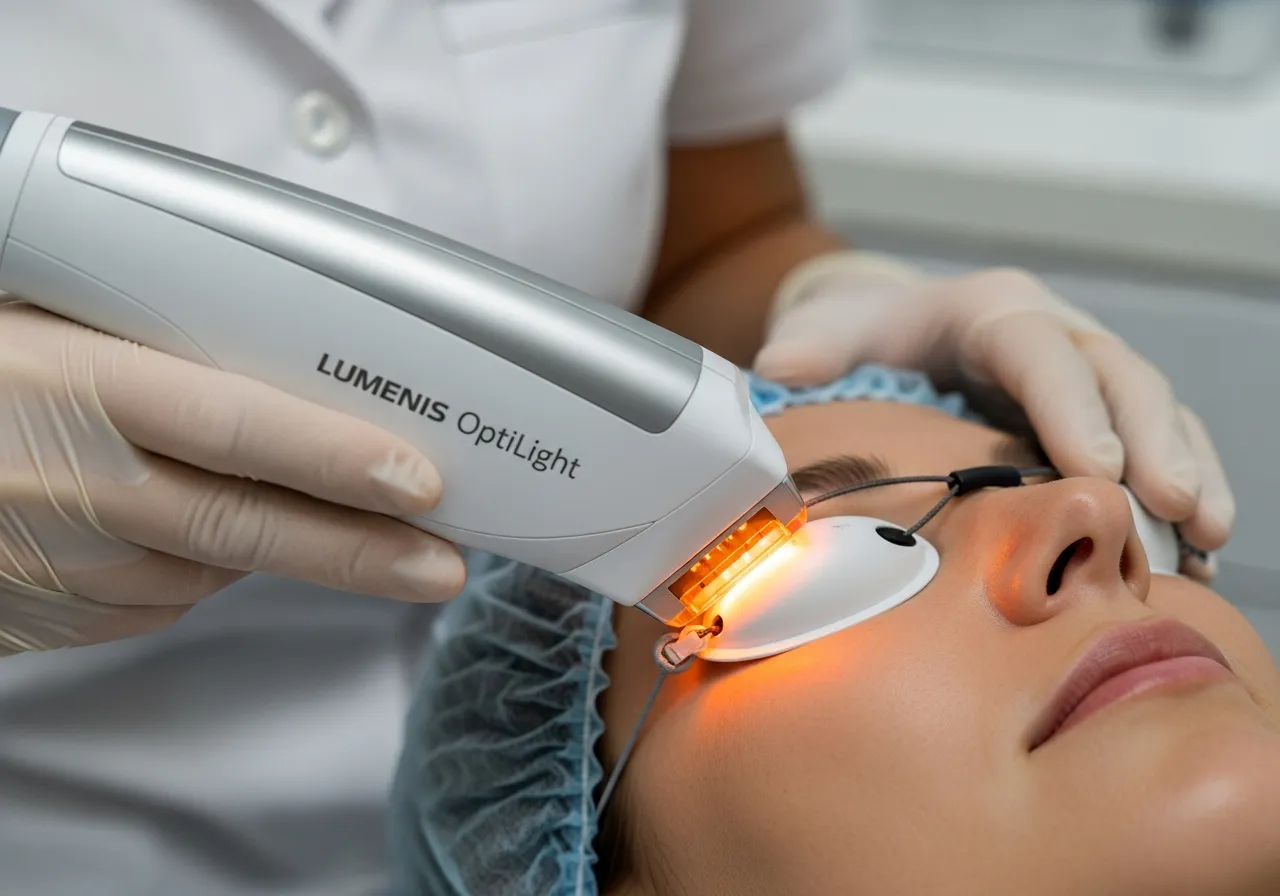
Lumenis OptiLight
IPL for Dry Eyein Westchester, Los Angeles 90045
Intense pulsed light that calms eyelid inflammation and helps your oil glands work again, so you can stop living by the eye drop bottle.
Book a Dry Eye EvaluationOptiLight IPL
Get to the Root of Dry Eye
Every OptiLight plan starts with a dry eye evaluation with Dr. Tabiza. She checks your tear film and meibomian glands to confirm whether IPL is the right fit for you.
Prefer to call? Reach us at (310) 670-1888.

Dry Eye Evaluation
Request Your OptiLight Consultation
Fill in your details and we'll find a time
By submitting this form you consent to be contacted by Westchester Vision Care by phone, text or email about your request. Msg & data rates may apply. Reply STOP to opt out. Privacy Policy.
Results vary. No treatment is promised to provide permanent results. A guarantee is neither provided nor implied.
Understanding Dry Eye
Why Dry Eye Keeps Coming Back
Your Tear Film
Tears have three layers. The outer oil layer, made by the meibomian glands along your eyelids, seals in moisture and keeps tears from evaporating too fast.
Meibomian Gland Dysfunction
When those glands get blocked or inflamed, the oil layer breaks down and tears evaporate. Research finds signs of MGD in about 86% of people with dry eye.
Why Drops Fall Short
Artificial tears add moisture for a while, but they do not open the glands or calm the inflammation. OptiLight works on the glands and the eyelid margin itself.
The Technology
How OptiLight Works
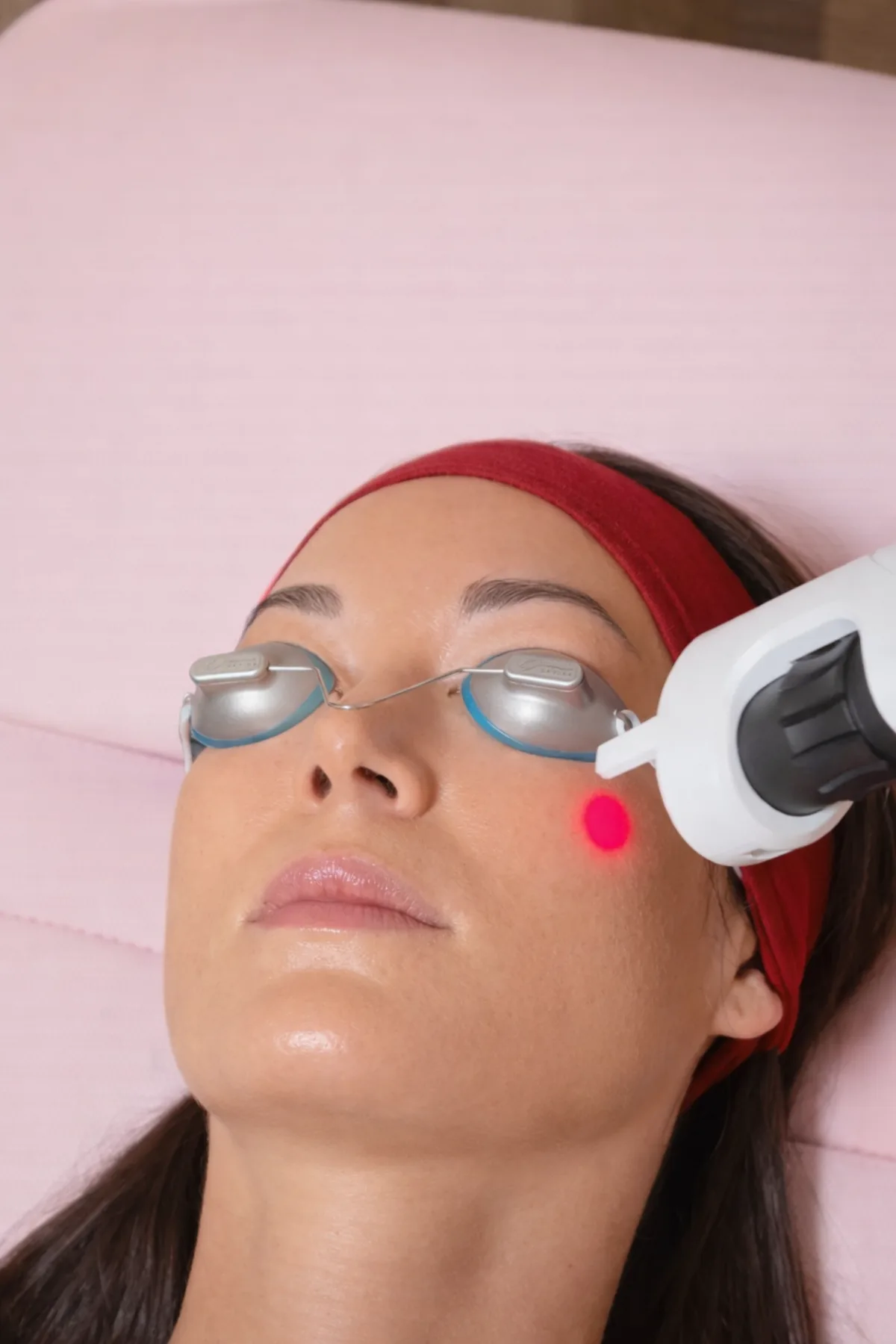
OptiLight uses precise pulses of light, calibrated for the delicate skin around the eyes. With protective shields over your eyes, light is applied in a gentle arc from cheekbone to cheekbone, just below the lower lashes.
Calms Inflammation
The light targets the small, inflamed blood vessels along the eyelid margin that release irritating mediators into the glands.
Softens Blocked Oils
Gentle warmth helps thick, waxy oil loosen so the meibomian glands can flow again.
Gland Expression
After the light, a brief, gentle expression clears remaining blockage and improves oil flow into the tear film.
At a Glance
OptiLight Treatment
- Session time
- 10 to 15 minutes
- Series
- 4 sessions, 2 to 4 weeks apart
- Downtime
- Little to none
- Maintenance
- Every 6 to 12 months
- FDA indication
- Signs of dry eye due to MGD
Why OptiLight
Benefits for Dry Eye
Treats a Root Cause
Targets the inflammation and gland blockage behind evaporative dry eye, instead of only adding moisture on top.
FDA Indication for Dry Eye
OptiLight is the first IPL with an FDA indication to improve signs of dry eye disease due to meibomian gland dysfunction.
Quick Sessions
Each session takes about 10 to 15 minutes, with protective eye shields in place the whole time.
Little to No Downtime
Most patients go straight back to work or their day after treatment.
Less Reliance on Drops
When the oil layer works again, tears stay on the eye longer, so many patients reach for drops less often.
Lasting Relief
After the first series of four sessions, periodic maintenance helps keep the glands working well.
Is It Right for You?
Good Candidates for OptiLight
- Diagnosed dry eye, especially the evaporative type
- Meibomian gland dysfunction (MGD) confirmed at your eye exam
- Daily drops that never fully solve the burning or grittiness
- Ocular rosacea or redness along the eyelid margins
- Adults 22 and older with Fitzpatrick skin types I to IV
- Screen-heavy days, contact lens discomfort or blurry afternoons
Not sure which type of dry eye you have? Take our dry eye quiz or see our full dry eye treatment options.
The Process
What to Expect
Step 1
Dry Eye Evaluation
Dr. Tabiza examines your tear film, eyelids and meibomian glands to diagnose the type and severity of your dry eye.
Step 2
Your Treatment Plan
If IPL fits, it becomes one part of a plan that can include lid care, gland expression, nutrition and at-home therapy.
Step 3
OptiLight Sessions
Four quick sessions, about 10 to 15 minutes each, spaced two to four weeks apart, with eye shields in place.
Step 4
Follow-Up
Dr. Tabiza rechecks your glands and symptoms and sets a maintenance schedule to keep results going.
How Your Care Is Shared
Dr. Jennifer Tabiza, OD, diagnoses and manages your dry eye at Westchester Vision Care. OptiLight IPL sessions are performed by the licensed, physician-supervised medical team at our sister practice, Total Body Aesthetic, in the same building at 8610 S Sepulveda Blvd #100.
OptiLight is indicated to improve signs of dry eye disease due to meibomian gland dysfunction in adults 22 and older with Fitzpatrick skin types I to IV, used together with other care such as gland expression, artificial tears, lid hygiene and warm compresses. Results vary.
Your Dry Eye Doctor
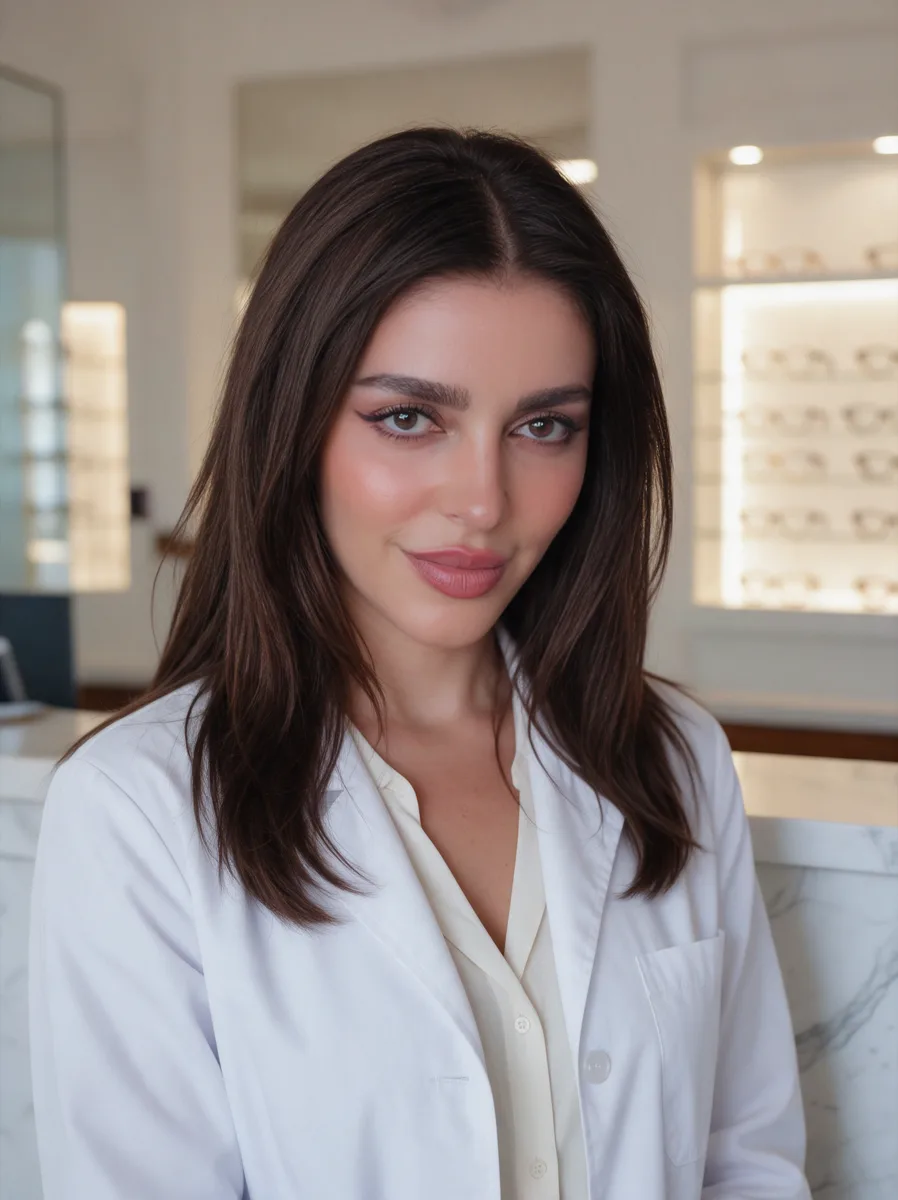
Dr. Jennifer Tabiza
OD, Westchester Vision Care, Los Angeles 90045
Dr. Tabiza focuses on finding the cause of each patient's dry eye, not just treating the symptoms. Her evaluations look closely at the tear film, eyelids and meibomian glands.
From there she builds a plan that may combine OptiLight IPL, TempSure Envi RF, low-level light therapy, AmbioDisk, nutrition and at-home care, matched to your diagnosis.
Questions
Frequently Asked Questions
OptiLight is an intense pulsed light (IPL) treatment by Lumenis designed for the delicate skin around the eyes. It is the first IPL with an FDA indication to improve signs of dry eye disease due to meibomian gland dysfunction, used together with other care such as gland expression, warm compresses and lid hygiene.
Pulses of light reduce the inflamed blood vessels along the eyelid margins that keep the meibomian glands irritated. The gentle warmth also softens thickened oils so the glands can be expressed and start flowing again, which helps restore the protective oil layer of the tear film.
The standard plan is four sessions spaced two to four weeks apart. Many patients notice improvement by the second or third visit. Maintenance sessions every 6 to 12 months help sustain results.
Most patients describe a quick warm snap, similar to a light rubber band flick. Your eyes are covered with protective shields throughout, and there is little to no downtime.
Dr. Tabiza diagnoses and manages your dry eye and decides whether IPL belongs in your plan. The OptiLight sessions are performed by the licensed medical team at our sister practice, Total Body Aesthetic, in the same building. Dr. Tabiza follows your progress at every step.
IPL for dry eye is usually considered elective, but parts of your dry eye evaluation are often covered by medical insurance. Our team will review your benefits and options, including 0% APR financing, before you start.
OptiLight is indicated for Fitzpatrick skin types I to IV. If you have a deeper skin tone, Dr. Tabiza will recommend other proven dry eye options, such as TempSure Envi RF, low-level light therapy or in-office gland care.
Ready for Relief?
Be Done With the Drops
Book a dry eye evaluation with Dr. Tabiza and find out if OptiLight IPL belongs in your plan.