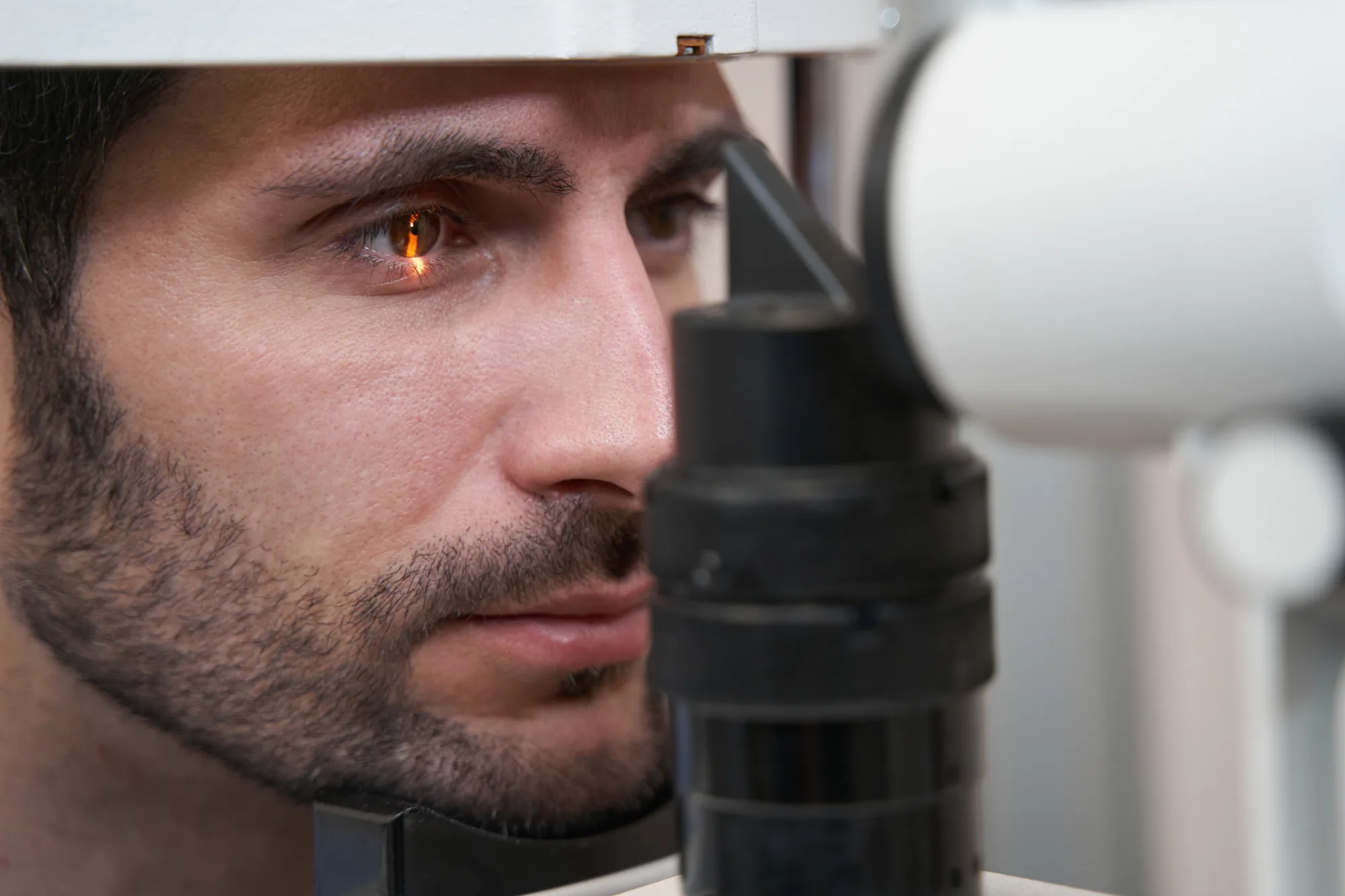
Annual Diabetic Eye Care
Diabetic
Eye Exams
The single most powerful tool to protect your vision when you have diabetes. Comprehensive screening, ultra-widefield imaging, and coordinated care with your primary doctor.
Schedule Your ExamDiabetic Eye Screening
Protect Your Sight
Diabetes is the leading cause of preventable blindness in working-age adults. An annual exam catches silent changes years before vision loss begins — when treatment works best.
Call us at (310) 670-1888.

Book a Diabetic Exam
New & Existing Patients Welcome
Fill in your details and we'll be in touch
Disclaimer Policy
By submitting this form you consent to receive marketing messages from Westchester Vision Care. Msg & data rates may apply. Unsubscribe at any time by replying STOP. Privacy Policy.
Why It Matters
Vision Loss From Diabetes Is Preventable
Silent Disease
Diabetic retinopathy and macular edema cause no pain, no redness, and no obvious vision changes in their early stages. By the time symptoms appear, treatment becomes far more difficult.
Annual Screening Saves Sight
Decades of research show that yearly dilated diabetic eye exams reduce the risk of severe vision loss by up to 95%. There is no more effective preventive measure available.
Medical Insurance Covers It
A diabetic eye exam is a medical-benefit visit, separate from your routine vision exam. Most insurance plans cover it annually with no separate vision plan required.
Don't Wait for Symptoms
Why Regular Eye Exams Are So Important With Diabetes
High blood sugar slowly damages the tiny blood vessels that nourish your retina — the light-sensitive tissue at the back of the eye that makes vision possible. Over time, these fragile vessels can leak, swell, or close off entirely, starving the retina of oxygen. This process, called diabetic retinopathy, affects roughly one in three people living with diabetes.
What makes it so dangerous is how quietly it progresses. In its early stages, diabetic retinopathy causes no pain, no redness, and no change in your vision at all. Damage can build for years while your eyesight still feels perfectly normal. By the time blurriness, floaters, or dark spots appear, the disease is often advanced — and some of the vision that's been lost may never come back.
That's why a regular dilated eye exam is so critical: it's the only way to see these changes while they are still silent, reversible, or easily managed. During your exam, Dr. Tabiza examines the retina directly and documents it with ultra-widefield imaging, so even the subtlest year-over-year change is caught immediately.
The payoff of staying on schedule is enormous. With early detection and timely treatment, studies show the risk of severe vision loss from diabetes drops by up to 95%. The American Diabetes Association recommends a dilated eye exam at least once a year for everyone with diabetes — and more often if changes are already present, if blood sugar has been difficult to control, or during pregnancy, when retinopathy can progress quickly.
Your eyes also tell a bigger story about your health. The retina is the only place in the body where blood vessels can be viewed directly, so a diabetic eye exam can reveal early signs of high blood pressure, high cholesterol, and kidney-related vascular changes — often before you or your physician know anything is wrong. Dr. Tabiza shares her findings with your primary care doctor or endocrinologist so your whole care team stays informed.
Even if your last exam was perfect, don't skip a year. Retinopathy can develop at any point in the course of diabetes — whether you were diagnosed last month or twenty years ago. A once-a-year visit is a small commitment that protects a lifetime of sight.
What We Screen For
Diabetes-Related Eye Conditions
Diabetic Retinopathy
High blood sugar damages the tiny blood vessels of the retina, causing leakage, swelling, and abnormal new vessel growth. It's the leading cause of blindness in working-age adults — and is largely preventable with regular screening.
Diabetic Macular Edema
Fluid leaks into the macula (the part of the retina responsible for sharp central vision), causing it to swell. Even mild macular edema can blur reading vision and is treatable when caught early.
Cataracts (Earlier Onset)
People with diabetes develop cataracts earlier and more aggressively than the general population. We monitor lens clarity and coordinate cataract care with a trusted surgical specialist when needed.
Diabetic Glaucoma
Diabetes nearly doubles your risk of open-angle glaucoma and can cause a particularly aggressive form called neovascular glaucoma. Annual pressure checks and optic nerve imaging detect it long before vision is lost.
Fluctuating Vision
Blood sugar swings cause the lens of the eye to swell and shrink, producing temporary blurred vision. We help you understand what's caused by sugar control vs. structural eye disease.
Dry Eye Syndrome
Diabetes contributes to reduced tear production and corneal nerve dysfunction, leading to chronic dry eye. We provide targeted treatment that addresses the underlying cause.

Your Provider
Dr. Jennifer Tabiza
OD — Westchester Vision Care, Westchester, Los Angeles
Dr. Tabiza performs comprehensive diabetic eye evaluations using ultra-widefield Optos CT imaging — capturing more of the retina in a single, painless scan than any traditional method. Findings are documented year over year so subtle changes are caught immediately.
She works closely with primary care physicians, endocrinologists, and retinal specialists to coordinate care and provide every patient with the best possible long-term outcome.
Questions
Frequently Asked Questions
Diabetes affects the small blood vessels of the retina before any symptoms appear. The American Diabetes Association recommends a dilated diabetic eye exam at least once a year — and more frequently if any retinopathy is found. Catching changes early can prevent permanent vision loss.
Type 1 diabetics should have their first exam within 5 years of diagnosis and annually after that. Type 2 diabetics should have an exam at the time of diagnosis and then yearly. If you're pregnant and diabetic, additional exams are required during pregnancy. We may recommend more frequent visits depending on your findings.
A diabetic eye exam typically includes dilation so we can fully evaluate the peripheral retina. Our Optos CT ultra-widefield imaging captures a panoramic retinal view that complements the exam and can sometimes reduce the need for dilation. Dr. Tabiza will recommend dilation whenever it's clinically indicated based on your individual findings.
Diabetic retinopathy is damage to the blood vessels in the retina caused by chronically elevated blood sugar. It progresses through stages — from mild non-proliferative changes to advanced proliferative retinopathy with abnormal new blood vessel growth. The disease is silent in early stages and can cause sudden, severe vision loss in advanced stages.
Most medical insurance plans cover annual diabetic eye exams as a medical (not vision) benefit when you have a diabetes diagnosis. We accept most major insurance plans and can verify your benefits before your visit. Call us at (310) 670-1888 to confirm.
Yes — and that's the entire point. Most early diabetic eye disease is completely silent. By the time you notice blurred vision or dark spots, significant damage may have already occurred. Annual screening lets us treat changes when treatment is most effective.
With your permission, we send a comprehensive diabetic eye exam report to your primary care physician or endocrinologist after every visit. Coordinated care between your medical and eye providers leads to the best outcomes.
Tight blood sugar control (target HbA1c below 7), well-managed blood pressure and cholesterol, no smoking, and yearly dilated eye exams are the most powerful tools you have. Even modest improvements in sugar control significantly reduce your risk of vision loss.
Stay Ahead of Vision Loss
Schedule Your Annual Diabetic Exam
The most powerful step you can take to protect your eyes. Book at our Westchester, Los Angeles practice today.