
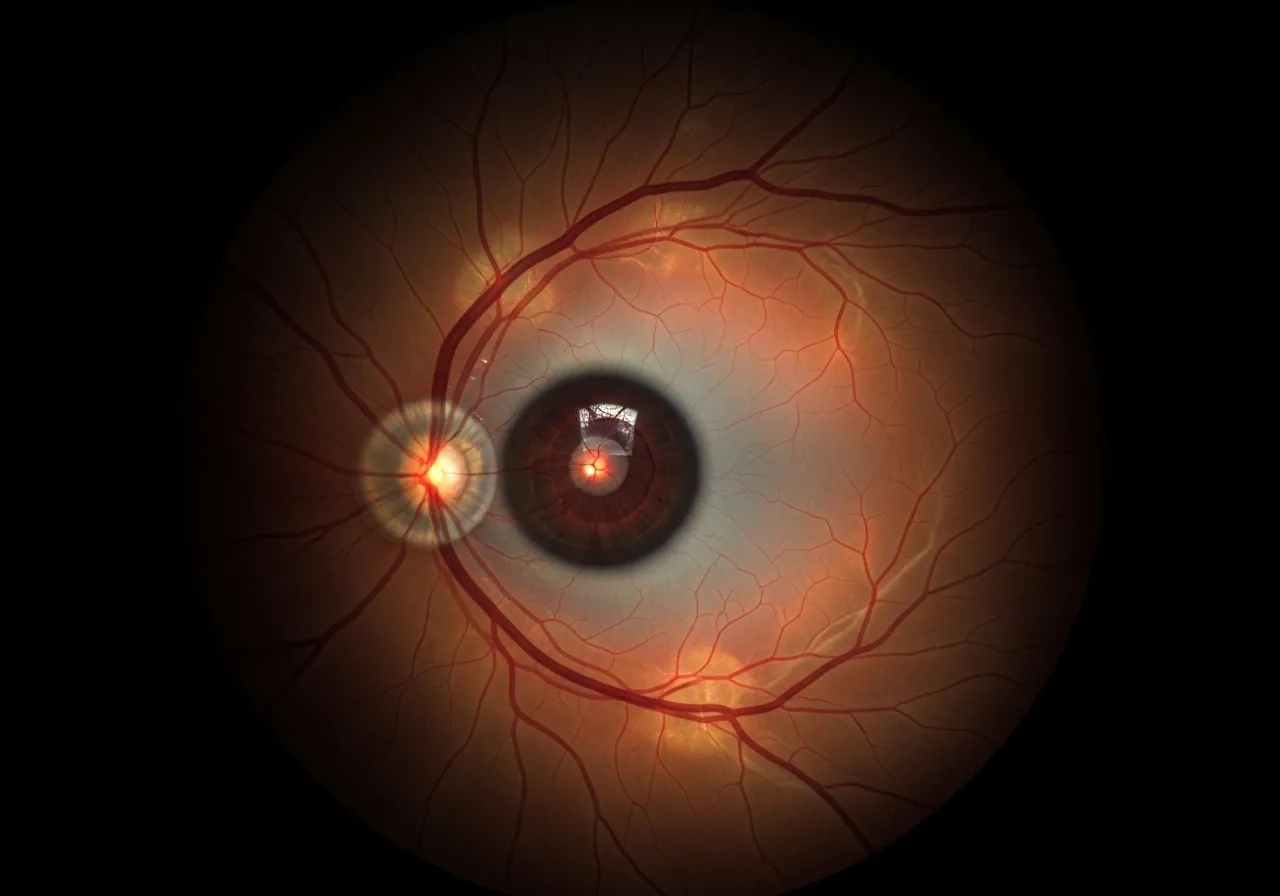
As we move past 60, the eyes deserve more attention, not less. The conditions that most threaten vision in later life — cataracts, glaucoma, and macular degeneration — become more common with age, and the ones that cause the most permanent harm typically develop silently. Many people feel their vision is fine right up until meaningful, sometimes irreversible, damage has occurred.
That is the central reason regular eye exams matter so much for seniors. Vision and independence are deeply linked: stable, well-corrected vision helps older adults keep driving, reading, walking safely, and staying socially engaged, while undetected eye disease raises the risk of falls, isolation, and a decline in overall wellbeing. Catching problems early is what keeps that independence intact.
At Westchester Vision Care in the Westchester neighborhood of Los Angeles, Dr. Jennifer Tabiza cares for patients age 10 and older, including seniors throughout the 90045 area and neighboring communities like Ladera Heights, Culver City, and Playa del Rey. This guide explains the three conditions that deserve the closest attention after 60.
Cataracts: Clouding of the Lens
A cataract is a clouding of the eye's natural lens, which is normally clear and focuses light onto the retina. Cataracts are an expected part of aging for most people, developing gradually over years, and are the most common of the age-related eye changes.
Because they progress slowly, cataracts can be easy to overlook at first. Common signs include blurry or dim vision, increased sensitivity to glare, halos around lights, trouble seeing at night, colors appearing faded, and needing more light to read. Difficulty with night driving is often one of the first complaints.
The reassuring news is that cataracts are highly treatable. When they progress to the point of interfering with daily activities, cataract surgery — one of the most common and successful procedures in medicine — replaces the cloudy lens with a clear artificial one. Regular exams monitor how a cataract is developing and help determine the right time to consider surgery, so vision loss from cataracts is almost always reversible with timely care.
Glaucoma: The Silent Thief of Sight
Glaucoma is a group of conditions that damage the optic nerve, the cable that carries visual information from the eye to the brain, and it is often associated with elevated pressure inside the eye. It has earned the nickname the silent thief of sight because the most common form produces no pain and no early symptoms at all.
Glaucoma typically damages peripheral vision first, and the brain is remarkably good at filling in the gaps, so people often do not notice any loss until the disease is advanced. Critically, vision lost to glaucoma cannot be recovered — which makes early detection the entire game. When caught early, treatment can slow or halt further damage and preserve the sight a person still has.
Detecting glaucoma before symptoms appear relies on the components of a comprehensive exam: measuring eye pressure, evaluating the optic nerve, imaging the nerve fiber layer with OCT, and testing the visual field when indicated. Because it is silent and irreversible, glaucoma is one of the strongest arguments for never skipping an annual exam after 60.
Macular Degeneration: Protecting Central Vision
Age-related macular degeneration (AMD) affects the macula, the small central part of the retina responsible for the sharp, detailed vision used for reading, recognizing faces, and driving. As the name suggests, it becomes more common with age and is a leading cause of central vision loss in older adults.
Early AMD may cause no noticeable symptoms, which is why exams are essential for catching it. As it progresses, warning signs can include blurriness or a blind spot in the center of vision, straight lines appearing wavy or distorted, and difficulty seeing in low light. Because the changes affect central vision specifically, they can be particularly disruptive to daily life.
During an exam, the macula is examined directly and imaged with OCT to look for the earliest changes. While AMD cannot be cured, early detection allows for monitoring and, when appropriate, nutritional strategies and treatments that can help slow progression and protect remaining vision. Managing risk factors and staying under regular care make a meaningful difference.
Other Age-Related Concerns Worth Monitoring
Beyond the big three, several other issues become more relevant with age and are all part of a thorough senior eye exam:
• Diabetic eye disease — anyone with diabetes needs regular dilated retinal exams, since high blood sugar can damage the retina's blood vessels without early symptoms.
• Dry eye disease — more common with age and more disruptive, but very responsive to treatment when addressed.
• Reduced contrast sensitivity and glare problems — which affect night driving and can raise the risk of falls.
• Systemic clues — high blood pressure, diabetes, and other conditions can first reveal themselves in the eye during a routine exam.
Addressing these alongside the major diseases keeps functional vision as sharp and safe as possible, which is what daily independence depends on.
How Modern Imaging Improves Early Detection
The tools available for senior eye care have advanced considerably, allowing doctors to see problems earlier than ever. OCT imaging captures cross-sectional detail of the retina and optic nerve, revealing subtle changes long before they would otherwise be visible — invaluable for glaucoma and macular degeneration. Ultra-widefield retinal imaging captures a broad view of the retina in a single scan, helping catch peripheral changes.
These technologies also create a documented baseline that each future exam is compared against. Many serious conditions are detected not by a single dramatic finding but by small, year-over-year changes, and having prior scans on file is what makes those subtle shifts visible. For seniors, that longitudinal record is one of the strongest reasons to stay with a consistent eye care practice over time.
Protect Your Vision and Independence
After 60, an annual comprehensive eye exam is one of the most valuable health visits you can keep. It catches the silent conditions early, monitors changes over time, and keeps your vision working for the life you want to live.
Dr. Jennifer Tabiza sees patients age 10 and older at Westchester Vision Care in the Westchester neighborhood of Los Angeles, CA 90045, convenient to Ladera Heights, Culver City, Playa del Rey, and the surrounding area. To schedule a senior eye exam and screening, call (310) 670-1888 or book online today.
See an eye doctor in Westchester, Los Angeles
We welcome patients from Playa Vista, Marina del Rey, Playa del Rey, El Segundo and the surrounding 90045 neighborhoods.
8610 S Sepulveda Blvd #100, Los Angeles, CA 90045 · (310) 670-1888
Book a ConsultationThis article provides general education, not a diagnosis or individualized medical advice. Please see an eye care professional about your specific symptoms.