
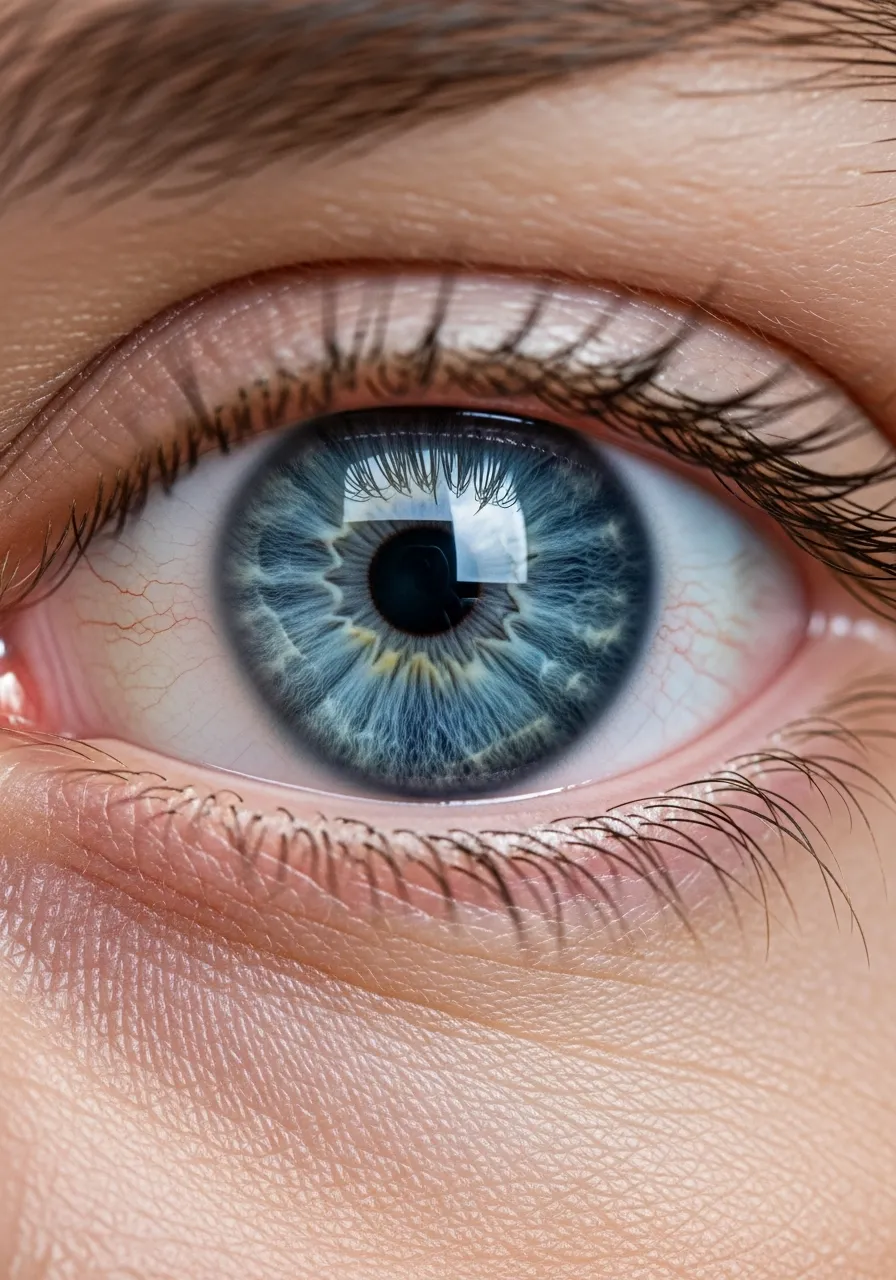
We brush our teeth twice a day without thinking about it, but almost no one gives the same attention to their eyelids. Yet the edges of your lids — right where your lashes grow — are a busy, delicate zone that collects oil, dead skin, makeup residue, bacteria, and a sticky film called biofilm. When that buildup goes unmanaged, it can inflame the lids and clog the oil glands that keep your tears from evaporating.
This is where lid hygiene comes in, and OCuSOFT is one of the most widely used families of products designed for exactly this purpose. Gentle lid cleansers and wipes remove the debris and biofilm along the lash line, giving your eyelids a clean, healthy foundation. For many people with chronic dry eye, blepharitis, or recurring styes, consistent lid hygiene is a genuinely underrated part of feeling better.
Dr. Jennifer Tabiza sees patients age 10 and older at Westchester Vision Care in the Westchester neighborhood of Los Angeles, and lid hygiene is often a cornerstone of the dry eye plans she builds. Here is why it matters and how to do it right.
Why the Lid Margin Gets Dirty and Inflamed
Along the edge of each eyelid sit the openings of the meibomian glands, which release oil onto your tears to keep them from evaporating. This same margin is also home to your lashes and to the natural bacteria that live on skin. When oil, dead cells, and bacteria accumulate, they can form a stubborn biofilm — a slippery layer that shields bacteria and keeps irritation going.
Over time, this buildup contributes to blepharitis, an inflammation of the lid margins that causes redness, crusting, itching, and a gritty feeling. It can also clog the oil gland openings, worsening evaporative dry eye. In some people, the same conditions encourage repeated styes and eyelid bumps.
The uncomfortable truth is that the lid margin is not self-cleaning enough to keep up when the glands are already struggling. That is why a deliberate cleaning routine can make such a difference.
What OCuSOFT Products Do
OCuSOFT makes a range of lid hygiene products formulated to clean the eyelids gently without stinging the eye surface. These typically come as pre-moistened wipes or foaming cleansers, in strengths ranging from everyday maintenance formulas to more advanced options for patients with heavier debris or specific conditions.
In practical terms, lid hygiene products help by:
• Loosening and removing oil, crust, and debris from the lash line.
• Reducing the bacterial load and biofilm that drive lid inflammation.
• Keeping the meibomian gland openings clear so oil can flow onto the tears.
• Soothing the itching and irritation that come with blepharitis.
Because different formulas are designed for different needs, it helps to have Dr. Tabiza recommend the right product for your particular situation rather than guessing at the pharmacy.
How to Clean Your Eyelids the Right Way
Lid hygiene is simple, but technique and consistency matter. A general routine looks like this: start with clean hands, and if your provider recommends it, use a warm compress first to soften oils. Then apply the cleanser or wipe and gently massage along the lash line and lid margin — the exact area where the lashes meet the lid — rather than just wiping the skin above.
A few tips make the habit more effective:
• Be gentle; you are cleaning, not scrubbing, and the goal is to avoid irritating delicate tissue.
• Clean both the upper and lower lid margins, keeping your eyes closed as directed.
• Follow the specific product instructions on whether to rinse or leave the cleanser on.
• Stay consistent — daily use is usually far more effective than occasional cleaning.
Like flossing, lid hygiene works because you keep doing it. Skipping days lets biofilm and debris rebuild.
Where Lid Hygiene Fits in a Dry Eye Plan
Lid hygiene rarely acts alone. For patients with meibomian gland dysfunction and evaporative dry eye, it works best alongside warm compresses, in-office treatments that address gland function, and sometimes omega-3 support or prescription therapy. Clean lids create the foundation that lets these other treatments work more effectively.
Because dry eye is a chronic, layered condition, Dr. Tabiza starts with a proper evaluation — examining your lid margins, assessing your tear film, and identifying what is actually driving your symptoms. From there, lid hygiene is often folded into a personalized, prevention-first plan rather than prescribed in isolation.
For patients tired of relying on drops that only bring temporary relief, addressing the health of the lids themselves can be a turning point.
Start with Cleaner, Calmer Lids
Lid hygiene is one of the least glamorous but most reliable habits in eye care. It costs little, takes a couple of minutes, and directly targets a common source of chronic irritation. For many people with dry eye, blepharitis, or recurring styes, it is the missing piece.
If your eyes feel gritty, itchy, or crusty — especially in the morning — a dry eye evaluation can pinpoint whether lid inflammation is part of the problem and which OCuSOFT products fit your needs. Dr. Jennifer Tabiza sees patients age 10 and older at Westchester Vision Care in Westchester, Los Angeles, CA 90045. Call (310) 670-1888 or book online to get started.
See an eye doctor in Westchester, Los Angeles
We welcome patients from Playa Vista, Marina del Rey, Playa del Rey, El Segundo and the surrounding 90045 neighborhoods.
8610 S Sepulveda Blvd #100, Los Angeles, CA 90045 · (310) 670-1888
Book a ConsultationThis article provides general education, not a diagnosis or individualized medical advice. Please see an eye care professional about your specific symptoms.