
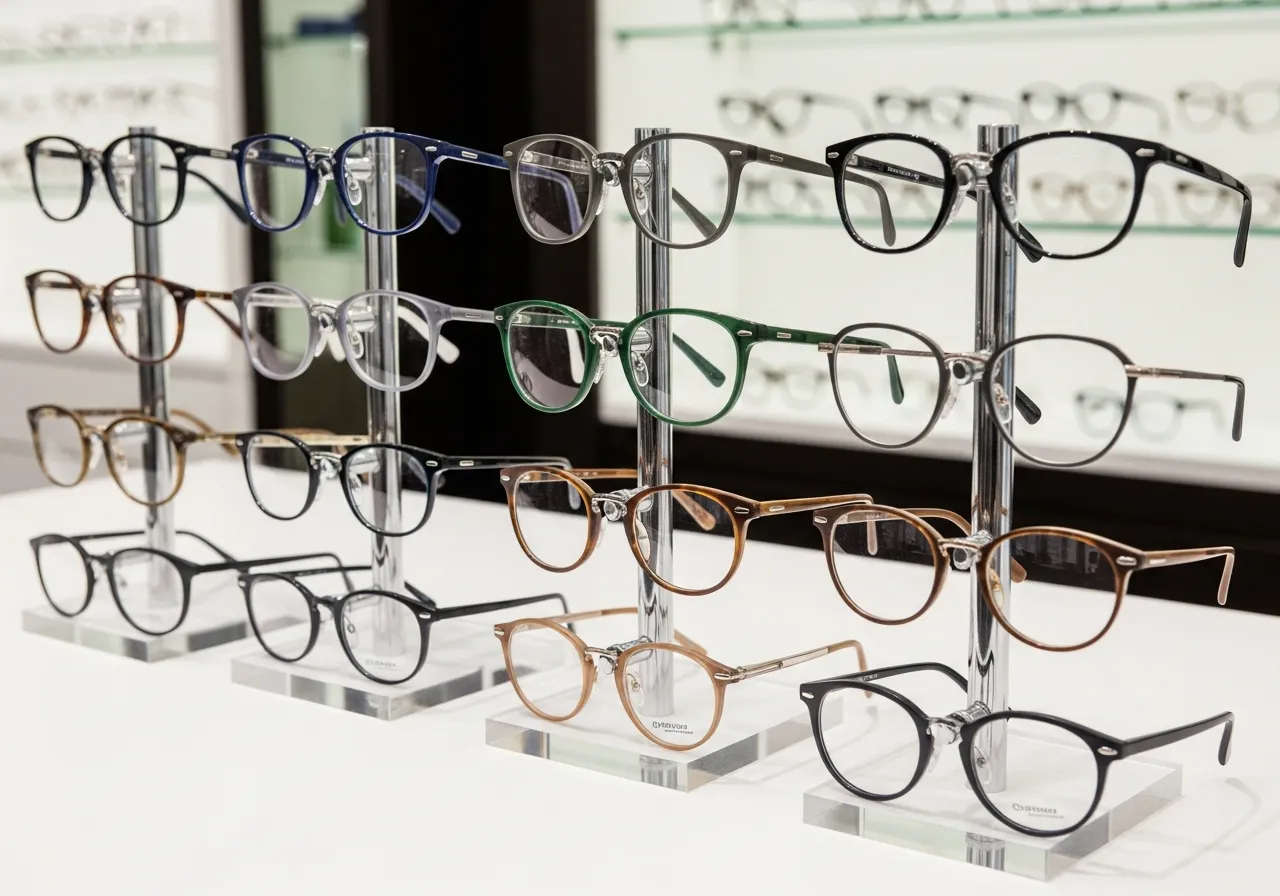
For anyone who has spent years reaching for glasses first thing in the morning or fussing with contact lenses, the idea of LASIK is appealing: a procedure that reshapes the cornea to reduce or eliminate the need for corrective lenses. When it is a good fit, the results can be genuinely life-changing.
But LASIK is elective surgery on one of your most precious organs, and being a good candidate is about far more than simply wanting better vision. Your prescription, the shape and thickness of your cornea, your age, the stability of your eyes, and your overall eye health all factor into whether LASIK is safe and likely to succeed for you.
Dr. Jennifer Tabiza sees patients age 10 and older at Westchester Vision Care in the Westchester neighborhood of Los Angeles. While the LASIK procedure itself is performed by a surgeon, your optometrist plays a central role in evaluating candidacy and managing your eyes before and after surgery. Here are the key questions that determine whether LASIK might be right for you.
Is Your Prescription Within the Treatable Range?
LASIK works by reshaping the cornea to correct nearsightedness, farsightedness, and astigmatism. There is a range within which the procedure works well, and prescriptions that are very high may fall outside the ideal window or require removing more corneal tissue than is safe.
Just as important as the number is stability. Your prescription should have been relatively steady for a period of time — usually at least a year — before surgery is considered. If your vision is still changing, correcting it surgically today may not hold up, because the underlying prescription could continue to shift.
This is one reason LASIK is generally not offered to people whose eyes are still developing. A stable, mature prescription is a fundamental starting point.
Are Your Corneas Healthy and Thick Enough?
Because LASIK reshapes the cornea, the cornea itself must be healthy and have enough thickness to allow safe correction. During your evaluation, detailed measurements and corneal mapping assess the shape, thickness, and surface of the cornea.
A few factors that matter here include:
• Corneal thickness — there must be enough tissue to reshape safely.
• Corneal shape — irregular shapes or signs of thinning conditions such as keratoconus may rule out LASIK.
• A smooth, healthy corneal surface free of scarring or disease.
If the cornea is too thin or shows an irregular pattern, LASIK may not be advisable — but that does not necessarily mean surgery is off the table. Alternative procedures such as PRK or lens-based options may be more appropriate, which is why a thorough evaluation matters so much.
Age, Eye Health, and Other Considerations
Age plays a role beyond just prescription stability. Around the mid-forties, most people begin to experience presbyopia — the natural loss of near focusing that leads to reading glasses. LASIK corrects distance vision but does not stop presbyopia, so someone in this age group needs realistic expectations about still potentially needing reading glasses.
Overall eye health is equally important. Conditions that can affect candidacy or outcomes include:
• Significant dry eye, which LASIK can temporarily worsen.
• Uncontrolled glaucoma or certain retinal conditions.
• Cataracts, where a lens-based procedure may be a better long-term solution.
• Certain systemic health conditions or pregnancy, which can affect timing.
Realistic expectations are part of good candidacy too. LASIK dramatically reduces dependence on glasses for most suitable patients, but it does not guarantee perfect vision in every situation.
The Role of Your Optometrist in LASIK
Many patients are surprised to learn how involved their optometrist is in the LASIK journey. Dr. Tabiza can perform a thorough evaluation to assess whether you are likely to be a good candidate, discuss your options honestly, and coordinate with a trusted surgeon — an arrangement known as co-management.
Just as importantly, your optometrist handles much of the follow-up care after surgery, monitoring healing, managing dry eye, and ensuring your vision settles as expected. Having a familiar provider guide you through the process, rather than only seeing a surgeon on the day of the procedure, provides continuity and reassurance.
This whole-person approach means your decision is made with your complete eye health in mind, not just your prescription.
Find Out If LASIK Is Right for You
The only way to know whether you are truly a candidate for LASIK is a comprehensive evaluation of your prescription, corneas, and overall eye health. Some people who assume they cannot have LASIK turn out to be excellent candidates, and others discover that an alternative procedure suits them better.
Dr. Jennifer Tabiza sees patients age 10 and older at Westchester Vision Care in Westchester, Los Angeles, CA 90045, and can help you understand your options and guide you through co-managed care. Call (310) 670-1888 or book online to schedule a consultation and take the first step toward life with less dependence on glasses and contacts.
See an eye doctor in Westchester, Los Angeles
We welcome patients from Playa Vista, Marina del Rey, Playa del Rey, El Segundo and the surrounding 90045 neighborhoods.
8610 S Sepulveda Blvd #100, Los Angeles, CA 90045 · (310) 670-1888
Book a ConsultationThis article provides general education, not a diagnosis or individualized medical advice. Please see an eye care professional about your specific symptoms.