
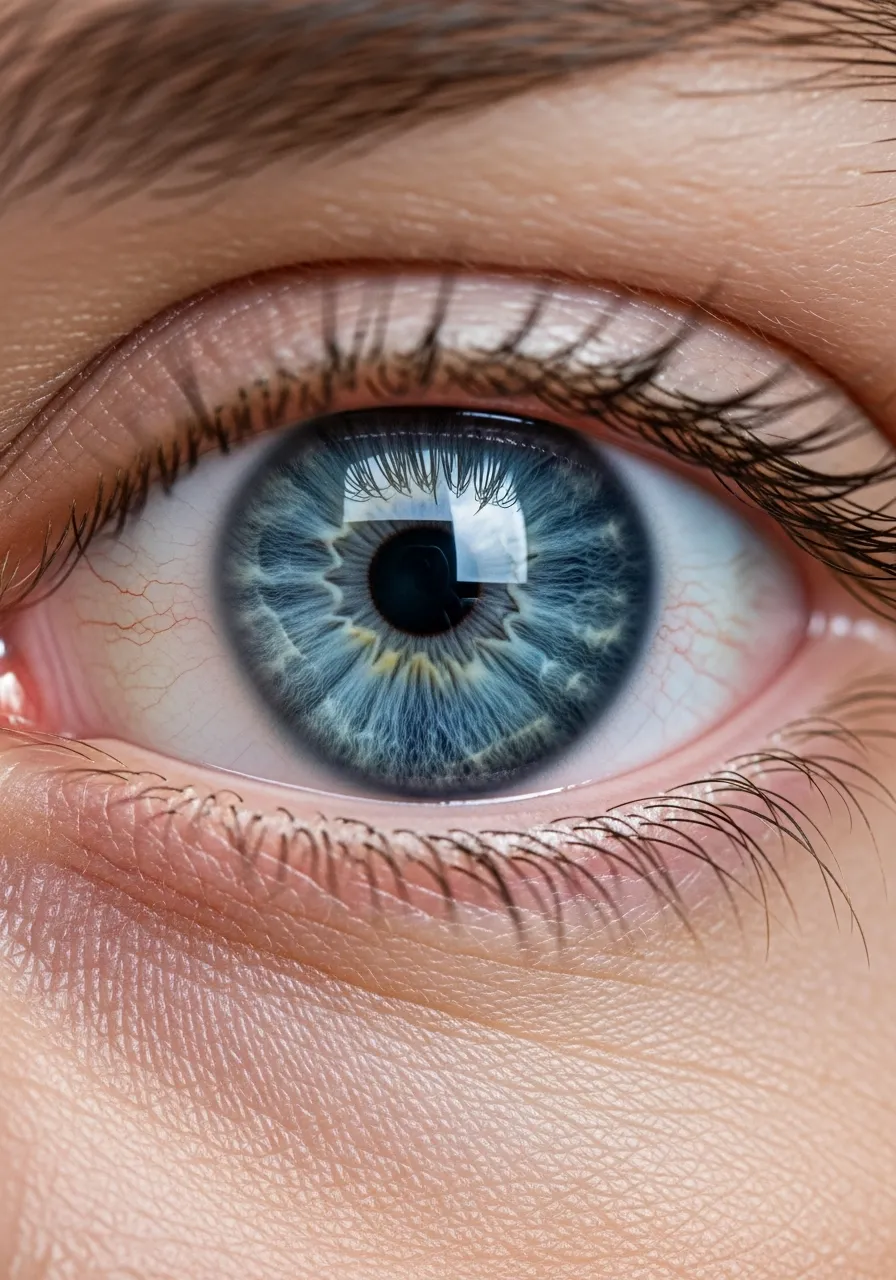
There is a common misconception that living near the ocean means humid, eye-friendly air that keeps dryness at bay. Many Westchester and Playa del Rey residents are surprised to learn that their coastal lifestyle may actually be part of why their eyes feel gritty, tired, and irritated by afternoon. The tear film that keeps your eyes comfortable is a fragile, three-layered structure, and everyday coastal living puts pressure on it from several directions at once.
Dry eye disease develops when your tears either evaporate too quickly or your eyes do not make enough of them — and often both. The result is a surface that stings, burns, waters paradoxically, and blurs your vision as the day wears on. It is one of the most common conditions optometrists treat, and where you live and how you spend your days play a real role.
At Westchester Vision Care in the Westchester neighborhood of Los Angeles (90045), Dr. Jennifer Tabiza evaluates and treats dry eye in patients age 10 and older, taking the local coastal environment and each patient's lifestyle into account when building a plan.
Ocean Wind Is Harder on Eyes Than It Feels
The steady sea breeze that makes Westside afternoons so pleasant is one of the most effective ways to dry out your eyes. Wind moving across the eye's surface accelerates tear evaporation, thinning the protective film faster than the eyes can replenish it. This is why a walk on the beach at Playa del Rey or an afternoon at Marina del Rey can leave your eyes feeling scratchy and tired even on a mild day.
Wind also carries fine particulate and salt that irritate an already stressed surface. For people whose tear film is even slightly unstable to begin with, the constant coastal breeze can tip comfortable eyes into symptomatic dryness.
Simple protection helps a great deal. Wraparound sunglasses create a barrier that dramatically reduces wind reaching the eyes, and they double as UV protection under the bright Southern California sun.
The Marine Layer Myth About Humidity
The gray marine layer that blankets the Westside many mornings looks like humidity, and it does add some moisture to the air. But the relief is uneven. Once it burns off, sunny and breezy conditions return, and indoor environments — where most of us actually spend our days — are a different climate entirely.
The bigger issue is that morning dampness lulls people into thinking their environment is eye-friendly, so they overlook the drying forces that dominate the rest of the day: sun, wind, screens, and air conditioning. Coastal humidity outdoors does little to counteract the dry, conditioned air inside offices, homes, and cars.
Understanding this helps explain a common pattern among Westside patients: eyes feel fine at 7 a.m. under the marine layer, then progressively worse through the afternoon. That daily arc is a classic sign of an evaporative tear-film problem worth evaluating.
Air Conditioning, Screens, and Indoor Air
Some of the most powerful drying forces have nothing to do with the ocean. Air conditioning — nearly constant in Los Angeles cars, offices, and homes — actively removes moisture from the air and often blows directly toward your face or eyes. Car vents aimed at the windshield frequently redirect a stream of dry air right at the driver.
Screens make it worse. When we stare at phones, laptops, and monitors, our blink rate drops by more than half, so the tear film sits and evaporates instead of being refreshed. Combine a full workday of screens with an overhead vent, and the eyes never get a chance to recover.
Small adjustments pay off: redirect AC vents away from your face, take regular blink breaks using the 20-20-20 rule, keep preservative-free artificial tears within reach, and consider a small humidifier in the spaces where you spend the most time.
Why Flying Is Especially Tough on Your Eyes
For the many 90045 residents who live near LAX and fly frequently — for work or travel — airplane cabins deserve special attention. Cabin air is pressurized and remarkably dry, with humidity often far lower than a desert. That parched environment causes tears to evaporate rapidly, which is why eyes feel scratchy and tired after even a short flight, and downright miserable after a long-haul trip.
Contact lens wearers feel this most acutely, as lenses can worsen dryness in low-humidity air. On long flights, switching to glasses, using preservative-free lubricating drops regularly, staying well hydrated, and avoiding the overhead air nozzle blowing on your face all help protect the tear film.
Frequent flyers who struggle with chronic dry eye often benefit from an evaluation to address the underlying tear-film problem, so flying becomes a manageable challenge rather than a guaranteed flare.
Treating the Root Cause, Not Just the Symptoms
Reaching for artificial tears whenever your eyes feel dry can bring temporary relief, but if dryness is a daily companion, drops alone rarely solve the problem. Most chronic dry eye involves the meibomian glands in the eyelids, which produce the oily layer that keeps tears from evaporating. When those glands are blocked or inflamed, the tear film breaks down quickly — exactly the situation coastal wind and dry indoor air exploit.
A comprehensive dry eye evaluation lets Dr. Tabiza examine your tear film, measure how quickly it breaks up, and assess the health of your meibomian glands. From there, treatment can target the actual cause, whether that means gland-focused therapies, prescription options, lifestyle adjustments, or a combination tailored to your environment and habits.
The aim is lasting comfort — eyes that stay stable through a windy afternoon, a screen-heavy workday, or a cross-country flight — rather than a cycle of chasing symptoms with more drops.
Get Lasting Relief From Coastal Dry Eye
If your eyes feel worse as the day goes on, flare after flights, or never quite recover from a breezy afternoon by the water, coastal living may be quietly working against your tear film. The good news is that dry eye is highly treatable once the underlying cause is identified.
Dr. Jennifer Tabiza sees patients age 10 and older at Westchester Vision Care in the Westchester neighborhood of Los Angeles, CA 90045, serving Playa del Rey, Marina del Rey, El Segundo, and travelers near LAX. To schedule a dry eye evaluation, call (310) 670-1888 or book online today.
See an eye doctor in Westchester, Los Angeles
We welcome patients from Playa Vista, Marina del Rey, Playa del Rey, El Segundo and the surrounding 90045 neighborhoods.
8610 S Sepulveda Blvd #100, Los Angeles, CA 90045 · (310) 670-1888
Book a ConsultationThis article provides general education, not a diagnosis or individualized medical advice. Please see an eye care professional about your specific symptoms.