
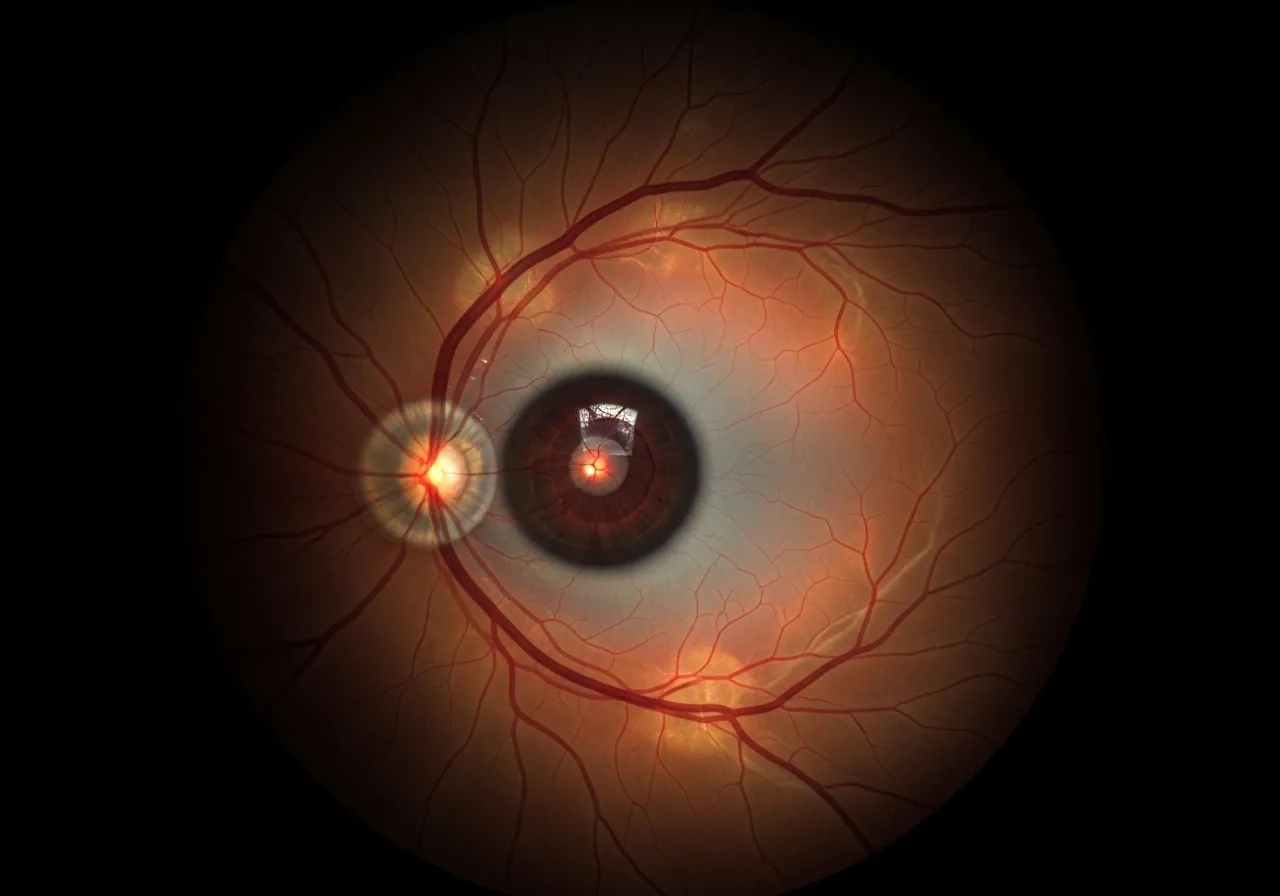
If you live with diabetes, you have probably been told to watch your blood sugar for the sake of your heart, kidneys, and nerves. Your eyes belong on that list too. Diabetic retinopathy is damage to the tiny blood vessels in the retina — the light-sensitive tissue at the back of the eye — and it develops silently, often without any early symptoms. By the time vision changes appear, the disease may already be advanced.
That silence is exactly why so many patients ask whether the choices they make at the dinner table can slow the process. The honest answer is that diet is powerful but not magic. Healthy eating helps keep blood sugar, blood pressure, and cholesterol in check, and those three factors together determine how much stress your retinal blood vessels endure over the years. Combined with regular dilated eye exams and good medical management, nutrition is a meaningful part of protecting your sight.
Dr. Jennifer Tabiza sees patients age 10 and older at Westchester Vision Care in the Westchester neighborhood of Los Angeles, and diabetic eye monitoring is a core part of that care. Here is what the research-supported connection between diet and diabetic retinopathy really means for you.
How Diabetes Damages the Retina
The retina is fed by a dense network of extremely fine blood vessels. When blood sugar stays high over long periods, it weakens the walls of those vessels. They can leak fluid and blood, swell, or become blocked, starving parts of the retina of oxygen. In response, the eye may grow fragile new vessels that bleed easily — a more advanced and dangerous stage called proliferative diabetic retinopathy.
Fluid can also collect in the central part of the retina, the macula, causing a condition called diabetic macular edema. Because the macula is responsible for sharp, detailed vision, swelling there can blur reading and faces even when the rest of the eye looks reasonably healthy.
The key point is that this damage accumulates gradually. Every stretch of well-controlled blood sugar reduces the strain on those vessels, and every prolonged spike adds to it. This is why day-to-day habits, including diet, add up over a lifetime.
The Foods That Support Steady Blood Sugar
There is no single food that cures or prevents diabetic retinopathy, but a consistent eating pattern that keeps blood sugar stable is one of the most protective things you can do for your retinas. The goal is to avoid the sharp rises and crashes that come from refined carbohydrates and sugary drinks.
General principles that support both blood sugar and eye health include:
• Favoring whole, high-fiber carbohydrates such as vegetables, beans, lentils, and intact whole grains over white bread, pastries, and sweetened drinks.
• Building meals around lean proteins and healthy fats, which slow digestion and blunt blood sugar spikes.
• Eating plenty of leafy greens and colorful vegetables, which supply antioxidants that support the retina.
• Including sources of omega-3 fatty acids, such as fatty fish, which support vascular and overall eye health.
• Limiting sugar-sweetened beverages, which are one of the fastest ways to send blood sugar surging.
Patterns like the Mediterranean-style diet, rich in vegetables, fish, olive oil, and whole grains, have long been associated with better cardiovascular and metabolic health — and what is good for your blood vessels overall is good for the vessels in your eyes.
Beyond Blood Sugar: Blood Pressure and Cholesterol
Diabetic retinopathy is not driven by glucose alone. High blood pressure adds mechanical stress to already-fragile retinal vessels, and abnormal cholesterol can contribute to deposits and leakage in the retina. Managing all three together gives your eyes the best protection.
This is where a heart-healthy diet does double duty. Reducing excess sodium, choosing unsaturated fats over saturated and trans fats, and maintaining a healthy weight all help control blood pressure and cholesterol. In practice, the same plate that keeps your blood sugar steady also tends to support healthy blood pressure and lipids.
It is worth emphasizing that diet works alongside, not instead of, the medications your physician may prescribe. If you take medication for diabetes, blood pressure, or cholesterol, continue to follow your care team's guidance and keep them informed about your progress.
Why Regular Eye Exams Are Non-Negotiable
Because early diabetic retinopathy has no symptoms, you cannot rely on how your vision feels to tell you whether your retinas are healthy. The only way to catch changes early is a dilated retinal examination, and sometimes retinal imaging that captures a detailed picture of the back of the eye.
During these exams, Dr. Tabiza looks for the earliest signs of vessel changes — tiny bulges, spots of leakage, or swelling in the macula. Detecting these signs early allows for timely referral and treatment before vision is lost, and it also gives you concrete feedback about how your management is working.
Most people with diabetes should have a comprehensive dilated eye exam at least once a year, and more often if changes are found. This monitoring is one of the most valuable services an optometrist provides, precisely because it turns a silent disease into something you can see and act on.
Putting It All Together
So can diet help diabetic retinopathy? Yes — as part of a bigger picture. A steady, nutrient-rich eating pattern helps control the blood sugar, blood pressure, and cholesterol that determine how much stress your retinal vessels endure. It does not replace medical treatment or eye exams, but it meaningfully strengthens the foundation those treatments build on.
The most encouraging part is that the same habits that protect your eyes protect your heart, kidneys, and nerves at the same time. Small, sustainable changes tend to outlast dramatic short-term diets, and consistency is what your retinas respond to over the years.
If you have diabetes and it has been more than a year since your last dilated eye exam — or if you have never had one — now is the time. Dr. Jennifer Tabiza sees patients age 10 and older at Westchester Vision Care in Westchester, Los Angeles, CA 90045. Call (310) 670-1888 or book online to schedule your diabetic eye evaluation and protect your vision for the long term.
See an eye doctor in Westchester, Los Angeles
We welcome patients from Playa Vista, Marina del Rey, Playa del Rey, El Segundo and the surrounding 90045 neighborhoods.
8610 S Sepulveda Blvd #100, Los Angeles, CA 90045 · (310) 670-1888
Book a ConsultationThis article provides general education, not a diagnosis or individualized medical advice. Please see an eye care professional about your specific symptoms.