
If you have diabetes, you already juggle a lot: blood sugar checks, medications, diet, and regular visits with your doctor. It is easy for the annual dilated eye exam to slip down the list, especially when your vision seems perfectly fine. But that sense of 'my eyes are fine' is exactly what makes diabetic eye disease so dangerous — the earliest and most treatable damage produces no symptoms at all.
Diabetes affects the tiny blood vessels throughout the body, and the retina at the back of the eye is packed with them. Over time, elevated blood sugar can weaken and damage these vessels, causing them to leak, swell, or close off. This condition, called diabetic retinopathy, is the leading cause of new cases of blindness in working-age adults — and it is largely preventable with early detection and good coordination of care.
At Westchester Vision Care in the Westchester neighborhood of Los Angeles (90045), Dr. Jennifer Tabiza provides comprehensive dilated diabetic eye exams for patients age 10 and older, working as part of your broader healthcare team to protect your vision.
How Diabetes Damages the Eyes Silently
The retina converts light into the signals your brain reads as sight, and it depends on a dense, delicate network of blood vessels to stay nourished. High blood sugar gradually damages these vessels. In the early stage, they may develop tiny bulges and begin to leak fluid or blood — often without any noticeable effect on vision.
As the disease advances, vessels can close off, starving areas of the retina, which then triggers the growth of fragile new vessels that bleed easily. Fluid can also collect in the central retina, a condition called diabetic macular edema that blurs the sharp central vision you use to read and drive. By the time these changes affect your sight, significant damage may already be done.
This silent progression is precisely why waiting for symptoms is the wrong strategy. A dilated exam lets the eye doctor see this damage in its earliest, most manageable stages — long before you would ever notice a problem yourself.
Why the Exam Must Be Dilated
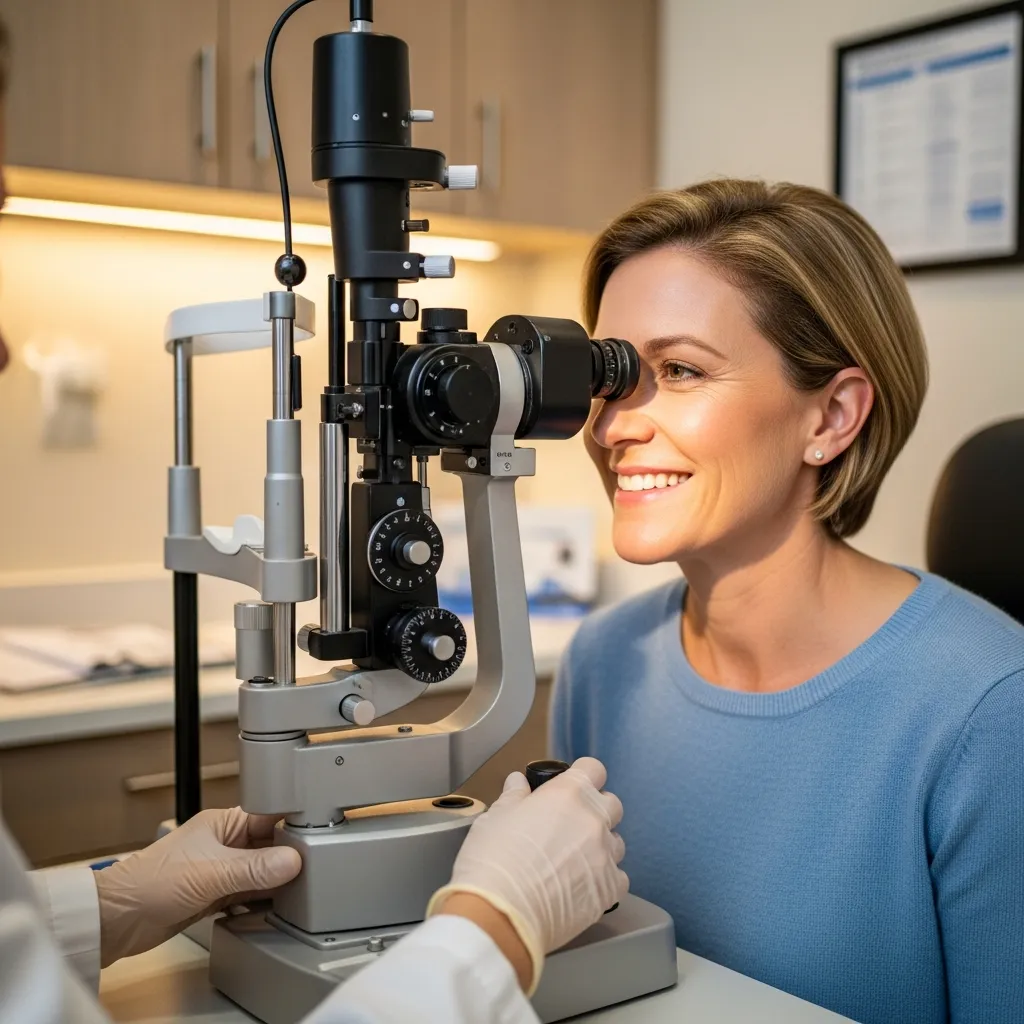
A quick vision check or a look at the front of the eye cannot reveal diabetic retinopathy. The damage happens at the back of the eye, on the retina, and the only way to thoroughly examine that area is through a widely dilated pupil. Dilating drops open the pupil so the doctor can inspect the entire retina, the blood vessels, and the optic nerve in detail.
At Westchester Vision Care, this exam may be paired with advanced retinal imaging that captures a wide view of the retina and cross-sectional scans of its layers, creating a documented baseline. These images make it possible to detect subtle changes and to compare year over year, catching progression early.
The dilation wears off over a few hours and can leave your vision blurry and light-sensitive for the rest of the day, so it is wise to bring sunglasses and, ideally, arrange a ride — an easy ask for anyone coming from nearby Playa Vista, Culver City, or Ladera Heights.
How Often You Need to Be Seen
Every person with diabetes — type 1, type 2, or gestational — should have a dilated eye exam at least once a year, even with no symptoms and well-controlled blood sugar. Some patients need to be seen more frequently: those with existing retinopathy, poorly controlled blood sugar, high blood pressure, kidney disease, or a longer duration of diabetes.
Pregnancy deserves special mention, because it can accelerate diabetic eye changes. Women with diabetes who are pregnant or planning pregnancy should have a dilated exam early and be monitored closely throughout, since the retina can change quickly during this time.
The right interval is a decision made with your eye doctor based on what the exam reveals. The one thing that is never appropriate is skipping the exam entirely because vision feels normal.
Coordinating Eye Care With Your Primary Care Team
Your eyes do not exist in isolation from the rest of your diabetes care, and the best outcomes come when your eye doctor and your medical team share information. After a dilated exam, Dr. Tabiza can communicate findings back to your primary care physician or endocrinologist — a report of a normal retina is reassuring, and any signs of retinopathy give your medical team valuable feedback on how well blood sugar and blood pressure are being managed.
This coordination runs both ways. Your A1C, blood pressure, cholesterol, and kidney function all influence your eye risk, so the more your eye doctor knows about your overall control, the more precisely your exam schedule and follow-up can be tailored. The eye is often described as a window into the body, and in diabetes that is literally true: changes visible in the retina can reflect what is happening in blood vessels throughout your system.
For patients in the 90045 area juggling multiple providers, having a local optometrist who actively communicates with the rest of your team makes managing diabetes simpler and safer.
What You Can Do to Protect Your Vision
The most powerful things you can do for your eyes are the same things that protect the rest of your body from diabetes. Keeping blood sugar in your target range, controlling blood pressure and cholesterol, staying physically active, eating well, and not smoking all directly lower your risk of diabetic retinopathy and slow its progression if it has begun.
Alongside these habits, keep your annual dilated exam appointments and report any vision changes promptly — new blurriness, floaters, dark spots, or fluctuating vision all warrant a prompt visit rather than a wait-and-see approach. When retinopathy is caught early, there are effective treatments that can preserve vision, but they work best before significant damage occurs.
Protecting your sight is a team effort between you, your medical providers, and your eye doctor, and the annual exam is the appointment that ties it all together.
Schedule Your Diabetic Eye Exam Today
If you have diabetes and it has been more than a year since your last dilated eye exam — or you have never had one — now is the time. Early detection is the single most effective way to prevent diabetes-related vision loss, and it takes only one appointment a year.
Dr. Jennifer Tabiza sees patients age 10 and older at Westchester Vision Care in the Westchester neighborhood of Los Angeles, CA 90045, convenient to Playa Vista, Culver City, and the communities near LAX. To schedule your annual dilated diabetic eye exam, call (310) 670-1888 or book online today.
See an eye doctor in Westchester, Los Angeles
We welcome patients from Playa Vista, Marina del Rey, Playa del Rey, El Segundo and the surrounding 90045 neighborhoods.
8610 S Sepulveda Blvd #100, Los Angeles, CA 90045 · (310) 670-1888
Book a ConsultationThis article provides general education, not a diagnosis or individualized medical advice. Please see an eye care professional about your specific symptoms.