
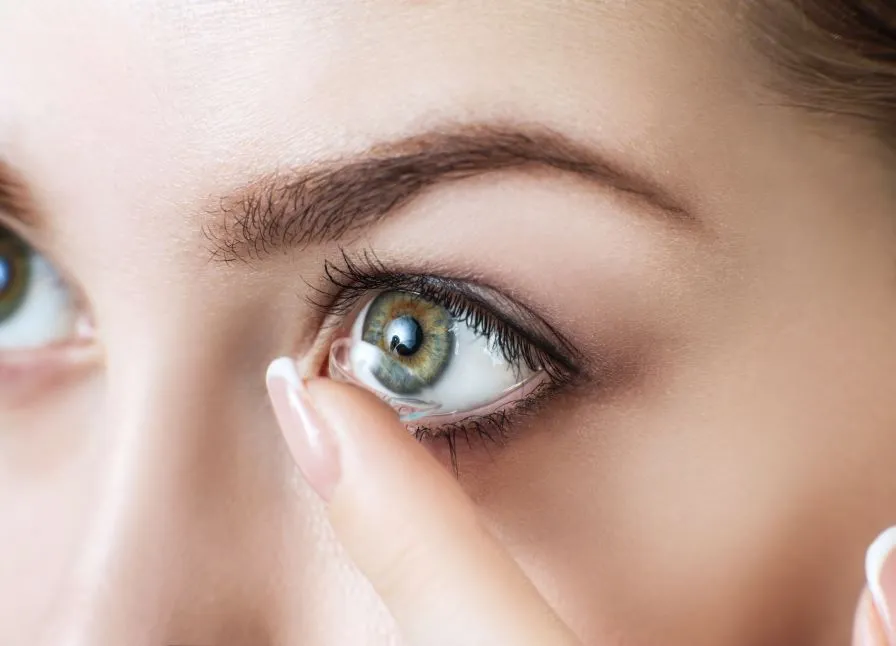
Daily disposable contact lenses have transformed the way many people wear contacts. Instead of cleaning and storing the same lenses for weeks, you open a fresh, sterile pair each morning and discard them at night. There is no case to maintain, no solution to buy, and no buildup of deposits that can irritate the eye over time. For convenience and eye health, it is hard to beat.
But "daily disposable" describes a schedule, not a single product. Within that category there is a wide range of designs and materials, each suited to different prescriptions, eye shapes, and lifestyles. Choosing well is what makes the difference between contacts you tolerate and contacts you forget you are wearing. At Westchester Vision Care in the Westchester neighborhood of Los Angeles, Dr. Jennifer Tabiza fits patients age 10 and older with dailies matched to their specific needs.
Why So Many People Choose Daily Disposables
The popularity of dailies comes down to a few clear advantages:
• Hygiene: a brand-new, sterile lens every day means less accumulation of protein deposits, allergens, and bacteria that can cause irritation and infection.
• Convenience: no cleaning routine, no lens case, and no solutions to remember or replace.
• Comfort: many people with sensitive or dry eyes tolerate fresh daily lenses better than reusable ones.
• Flexibility: dailies are ideal for part-time wearers, travel, sports, and anyone who prefers glasses on some days and contacts on others.
For allergy sufferers in particular, discarding lenses each night prevents pollen and other allergens from building up on the lens surface — a common source of itchy, irritated eyes for reusable-lens wearers.
Spherical Dailies for Nearsightedness and Farsightedness
The most common daily disposables are spherical lenses, which correct simple nearsightedness (myopia) or farsightedness (hyperopia). If your prescription involves only a single power in each eye without significant astigmatism, spherical dailies are typically the go-to option.
These lenses come in a wide range of powers and are available in many materials, so most patients with straightforward prescriptions can find a comfortable, well-fitting option. They are an excellent entry point for new contact lens wearers because they are simple, forgiving, and widely available.
Toric Dailies for Astigmatism
If you have astigmatism — an irregular corneal shape that blurs vision at all distances — you need a toric lens. Toric daily disposables are specially designed with different powers in different meridians of the lens to correct astigmatism, and they include stabilization features that keep the lens properly oriented on the eye as you blink and look around.
For years, astigmatism patients had limited daily options, but that has changed. Modern toric dailies deliver crisp, stable vision in a convenient single-use format. Fitting them takes a bit more care, since the lens must sit and rotate correctly on your specific eye, which is why a proper fitting is important for a reliable result.
Multifocal Dailies for Presbyopia
Around the mid-40s, most people develop presbyopia — the gradual loss of near focusing ability that makes reading glasses necessary. Multifocal daily disposables address this by incorporating multiple zones of focusing power in a single lens, allowing you to see clearly at distance, intermediate, and near ranges without switching between glasses.
Adapting to multifocal contacts can take a short period of adjustment as your brain learns to use the different zones, and finding the ideal design often involves some fine-tuning. When dialed in, they let presbyopic patients enjoy the freedom of contacts while still reading a menu or checking a phone comfortably — all with the convenience of a fresh pair each day.
Lens Materials Matter
Beyond the optical design, the material of a daily lens has a real impact on comfort and eye health. Two broad categories dominate:
• Hydrogel lenses are soft and comfortable, holding water to keep the eye moist. They have a long track record and suit many wearers.
• Silicone hydrogel lenses allow significantly more oxygen to reach the cornea, which supports long-term eye health and helps many people wear their lenses comfortably for longer stretches.
The best material depends on your eyes, your tear film, and how many hours you wear lenses each day. Someone with dry eyes may benefit from a specific moisture-retaining design, while a long-day wearer may prioritize high oxygen transmission. This is exactly why a personalized fitting matters.
Finding Your Best Daily Lens
With so many designs and materials available, the right daily disposable is the one matched to your prescription, your eye shape, your tear film, and how you spend your days. A contact lens fitting measures your eyes, tests candidate lenses, and confirms that vision, comfort, and fit all work together before you settle on a brand.
Whether you are new to contacts or curious about switching to the ease of daily disposables, Dr. Jennifer Tabiza can guide you to the right option. She fits patients age 10 and older at Westchester Vision Care in Westchester, Los Angeles, CA 90045. To schedule a contact lens fitting and explore daily disposables suited to your eyes, call (310) 670-1888 or book online.
See an eye doctor in Westchester, Los Angeles
We welcome patients from Playa Vista, Marina del Rey, Playa del Rey, El Segundo and the surrounding 90045 neighborhoods.
8610 S Sepulveda Blvd #100, Los Angeles, CA 90045 · (310) 670-1888
Book a ConsultationThis article provides general education, not a diagnosis or individualized medical advice. Please see an eye care professional about your specific symptoms.