
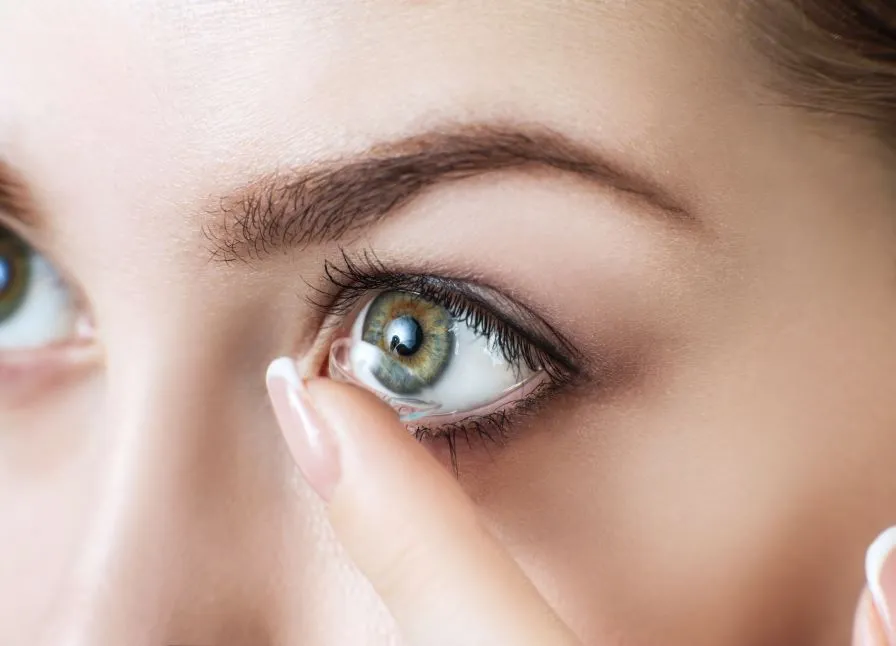
If you need vision correction and live an active Southern California life, you have probably gone back and forth on the classic question: contacts or glasses? The honest answer is that both are excellent, and most people who love their vision correction end up owning both and choosing based on the day.
Life on the Westside makes the trade-offs especially vivid. A morning at the beach in Playa del Rey, a sun-soaked drive up the coast, a pickup game, a workday full of screens, and an evening out each place different demands on your eyes. The right choice for one situation is not always right for another, which is exactly why understanding the strengths of each option is so useful.
At Westchester Vision Care in the Westchester neighborhood of Los Angeles, Dr. Jennifer Tabiza sees patients age 10 and older and helps people find the combination of contacts and glasses that fits how they actually live. This guide walks through the real-world comparison.
The Case for Glasses
Glasses are simple, low-maintenance, and gentle on the eyes. Because nothing touches the surface of your eye, there is essentially no infection risk from wearing them, and they require no daily insertion, removal, or cleaning routine beyond wiping the lenses. For anyone who finds contact lens handling fussy, that simplicity is a genuine advantage.
Glasses also protect the eyes from wind and airborne particles, which is a real benefit on breezy beach days and in dusty conditions. They can incorporate helpful lens features in a single pair — anti-reflective coatings for night driving, photochromic lenses that darken in sunlight, and prescription sunglasses for the endless bright days here. And a well-chosen frame is a part of how you present yourself, an accessory as much as a medical device.
The limitations are familiar too: glasses can fog, slip, fall off during sports, collect rain and sea spray, and limit peripheral vision at the edges of the frame. For high-activity moments, those drawbacks matter.
The Case for Contact Lenses
Contact lenses move with your eyes and sit directly on their surface, so they provide natural, edge-to-edge vision with no frame in the way and no fogging or slipping. For sports, workouts, and any activity where glasses would bounce around, that freedom is hard to beat. They also pair perfectly with non-prescription sunglasses, which means you can grab any stylish pair of shades for the beach or the drive.
Modern lenses come in many forms — daily disposables, which are especially convenient and hygienic, as well as options that correct astigmatism and even provide multifocal correction for near and far. Daily lenses in particular are a favorite for active, on-the-go lifestyles because there is no cleaning routine and a fresh, sterile lens goes on each morning.
The trade-offs are that contacts require good hygiene and responsible handling, they can feel dry in certain conditions, and they carry a small but real risk of infection when misused. Sleeping in lenses, overwearing them, or poor case care are the leading causes of contact-lens-related problems — which is why a proper fitting and honest habits matter.
Beach Days and the Water Question
The Westside beach lifestyle raises a specific and important issue: contacts and water do not mix. Swimming, surfing, or showering in contact lenses exposes the eyes to microorganisms that can cause serious infections, because lenses can trap those organisms against the eye. The firm rule is to keep contacts away from ocean, pool, and even tap water.
For a beach day, this means a few good options. Prescription sunglasses give you sharp vision and sun protection without anything on the eye, and they double as protection from blowing sand and salt spray. If you prefer contacts on the sand, plan to remove them before going in the water and consider daily disposables so you can simply discard a lens rather than risk reusing one exposed to spray.
Whichever you choose, remember that Southern California sun is intense year-round, so UV-blocking sunglasses belong in your beach bag regardless of how you correct your vision.
Driving, Screens, and Everyday Vision
Los Angeles driving puts a premium on clear vision and glare control. Anti-reflective coatings on glasses reduce distracting reflections and halos during night freeway driving, and polarized prescription sunglasses cut the harsh glare that bounces off other cars and the road in bright daylight. Contact lens wearers get the same glare benefit simply by pairing lenses with quality polarized sunglasses.
For long screen days — common across the Westside's tech and creative industries — both options work, though some people find glasses more comfortable during marathon computer sessions because contacts can feel dry when blinking drops. If you spend your day at a monitor, a computer-optimized pair of glasses can be a worthwhile addition even if contacts are your everyday default.
For everyday errands and social life, it truly comes down to preference, and many people simply enjoy the flexibility of switching between the two.
Sports and Active Living
For most sports, contact lenses win on practicality because they stay put, do not fog, and preserve full peripheral vision. There is no frame to be knocked off during a game and no lens to fog up during a hard effort. Daily disposables are especially convenient for athletes.
That said, glasses have a place in athletics too, particularly in the form of impact-resistant sports eyewear, which protects the eyes in activities where a ball, elbow, or fall could cause serious injury. Standard glasses are not designed for that protection, so for contact and projectile sports the conversation should include proper protective eyewear regardless of how you correct your vision day to day.
The ideal setup for many active people is contacts for play plus a durable pair of glasses for the rest of the day — the best of both worlds.
Find Your Perfect Combination
There is no universal winner in the contacts-versus-glasses debate, because the right answer depends on your prescription, your eye health, and the life you actually live on the Westside. Most people are happiest with a thoughtful combination tailored to their days.
Dr. Jennifer Tabiza sees patients age 10 and older at Westchester Vision Care in the Westchester neighborhood of Los Angeles, CA 90045, serving Playa del Rey, Playa Vista, Marina del Rey, and the surrounding communities. To discuss the best vision correction for your lifestyle and get properly fitted, call (310) 670-1888 or book online today.
See an eye doctor in Westchester, Los Angeles
We welcome patients from Playa Vista, Marina del Rey, Playa del Rey, El Segundo and the surrounding 90045 neighborhoods.
8610 S Sepulveda Blvd #100, Los Angeles, CA 90045 · (310) 670-1888
Book a ConsultationThis article provides general education, not a diagnosis or individualized medical advice. Please see an eye care professional about your specific symptoms.