
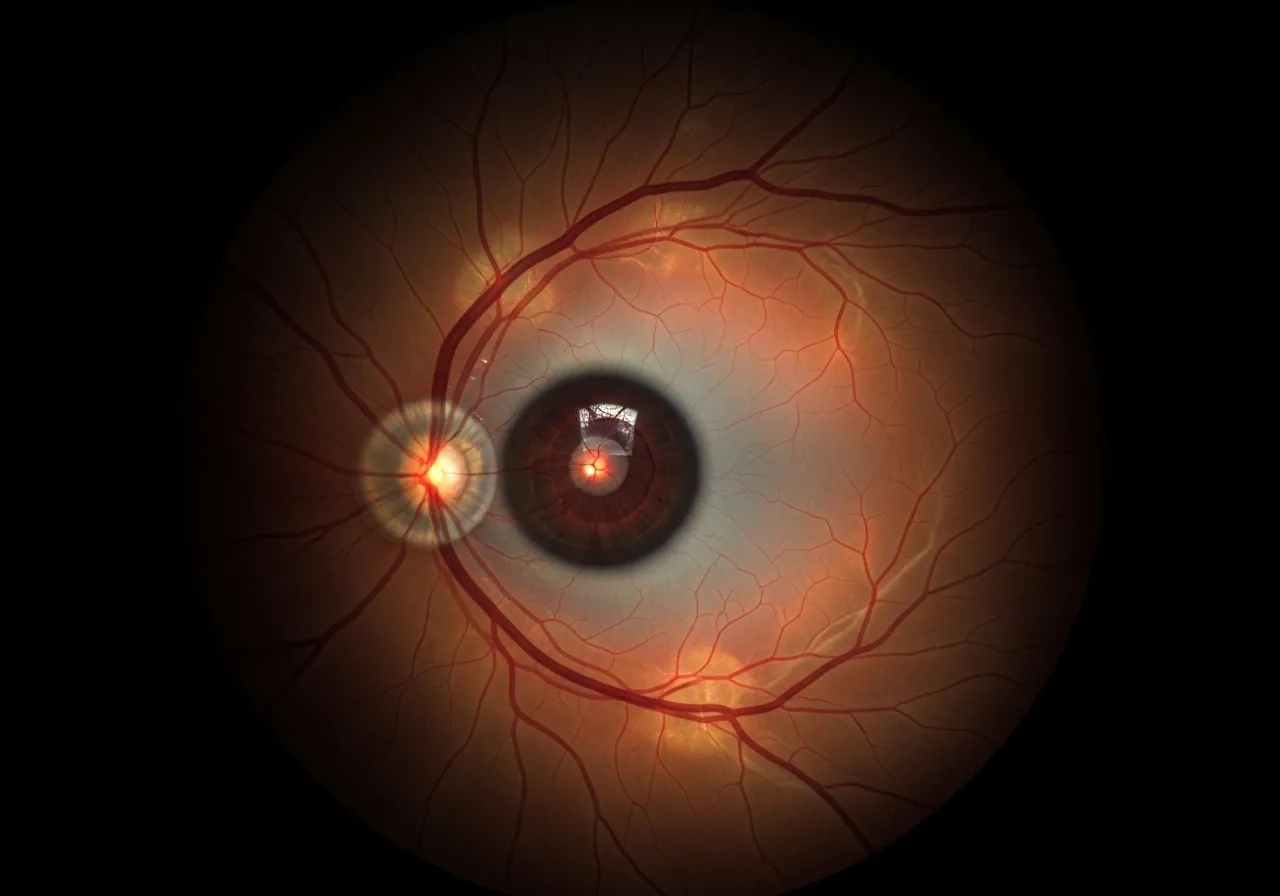
When patients hear that they have an eye condition, the first reaction is often worry. Yet many of the most common eye disorders are either easily corrected, highly manageable, or preventable when caught early. Understanding what these conditions actually are, and how they behave, replaces anxiety with a plan.
Eye disorders generally fall into a few broad categories: problems with how the eye focuses light, conditions affecting the surface and comfort of the eye, and diseases that affect the internal structures such as the lens, optic nerve, and retina. Each behaves differently and calls for a different approach.
At Westchester Vision Care in Westchester, Los Angeles, Dr. Jennifer Tabiza cares for patients age 10 and older and takes a prevention-first approach, catching many of these conditions before they cause lasting harm. Here is an overview of the disorders we see most often.
Refractive Errors: The Most Common of All
Refractive errors are the reason most people first visit an eye doctor. They occur when the shape of the eye prevents light from focusing precisely on the retina, leaving vision blurry. These are not diseases; they are simply variations in the eye's optics, and they are extremely common.
The main types are nearsightedness (myopia), where distant objects appear blurry; farsightedness (hyperopia), where near objects are harder to focus on; and astigmatism, where an irregular curvature blurs vision at all distances. A fourth, presbyopia, arrives with age as the lens loses flexibility and reading up close becomes difficult, usually beginning in the forties.
Refractive errors are readily corrected with glasses, contact lenses, or in many cases refractive surgery such as LASIK or PRK. The key is an accurate, up-to-date prescription from a comprehensive exam.
Dry Eye Disease
Dry eye is one of the most common reasons patients seek relief, and it is often underdiagnosed. It occurs when the eyes do not produce enough tears, or when the tears evaporate too quickly because of poor oil quality from the eyelid glands.
Symptoms include burning, grittiness, redness, fluctuating vision, and, paradoxically, watery eyes as the surface tries to compensate. Screen use, contact lens wear, age, certain medications, and the environment all contribute.
Modern dry eye care goes well beyond artificial tears. Treatments aimed at the underlying cause, such as therapies that restore the function of the eyelid oil glands, can break the cycle for people who have never found lasting relief from drops alone.
Glaucoma: The Silent Thief of Sight
Glaucoma is a group of conditions that damage the optic nerve, usually related to elevated pressure inside the eye. It is often called the silent thief of sight because it typically causes no pain and no early symptoms, quietly stealing peripheral vision before a person notices anything is wrong.
Because vision lost to glaucoma cannot be recovered, early detection is everything. This is one of the strongest arguments for routine comprehensive eye exams, which measure eye pressure, examine the optic nerve, and can detect subtle changes long before you would notice them yourself.
When caught early, glaucoma is highly manageable. Eye drops, laser procedures, and in some cases surgery can lower eye pressure and preserve the vision you have.
Cataracts and Age-Related Macular Degeneration
Cataracts are a clouding of the eye's natural lens that develops gradually, most often with age. They cause blurry vision, glare, faded colors, and difficulty seeing at night. Cataracts are extremely common later in life, and cataract surgery, which replaces the cloudy lens with a clear artificial one, is one of the safest and most successful procedures in all of medicine.
Age-related macular degeneration (AMD) affects the macula, the central part of the retina responsible for sharp, detailed vision. It can blur or distort central vision, making reading and recognizing faces difficult, though it typically spares peripheral sight. While there is no cure for the most common form, early detection allows for monitoring and interventions that can slow its progression.
Diabetic retinopathy is another important retinal condition, developing in people with diabetes when high blood sugar damages the tiny blood vessels of the retina. Regular dilated exams are essential for anyone with diabetes to catch it early.
Why Early Detection Changes Everything
The thread running through nearly all of these conditions is the same: many cause few or no symptoms in their early stages, yet the earlier they are found, the more effectively they can be treated or slowed. A comprehensive eye exam is the single most powerful tool for catching them in time.
During an exam, Dr. Tabiza does far more than check your glasses prescription. She examines the health of your entire eye, from the surface to the optic nerve and retina, using advanced imaging when appropriate to detect the earliest signs of disease.
Understanding these common disorders is empowering, but knowing where you personally stand is even more valuable. Dr. Jennifer Tabiza sees patients age 10 and older at Westchester Vision Care in Westchester, Los Angeles. Call (310) 670-1888 or book online to schedule a comprehensive eye exam.
See an eye doctor in Westchester, Los Angeles
We welcome patients from Playa Vista, Marina del Rey, Playa del Rey, El Segundo and the surrounding 90045 neighborhoods.
8610 S Sepulveda Blvd #100, Los Angeles, CA 90045 · (310) 670-1888
Book a ConsultationThis article provides general education, not a diagnosis or individualized medical advice. Please see an eye care professional about your specific symptoms.