
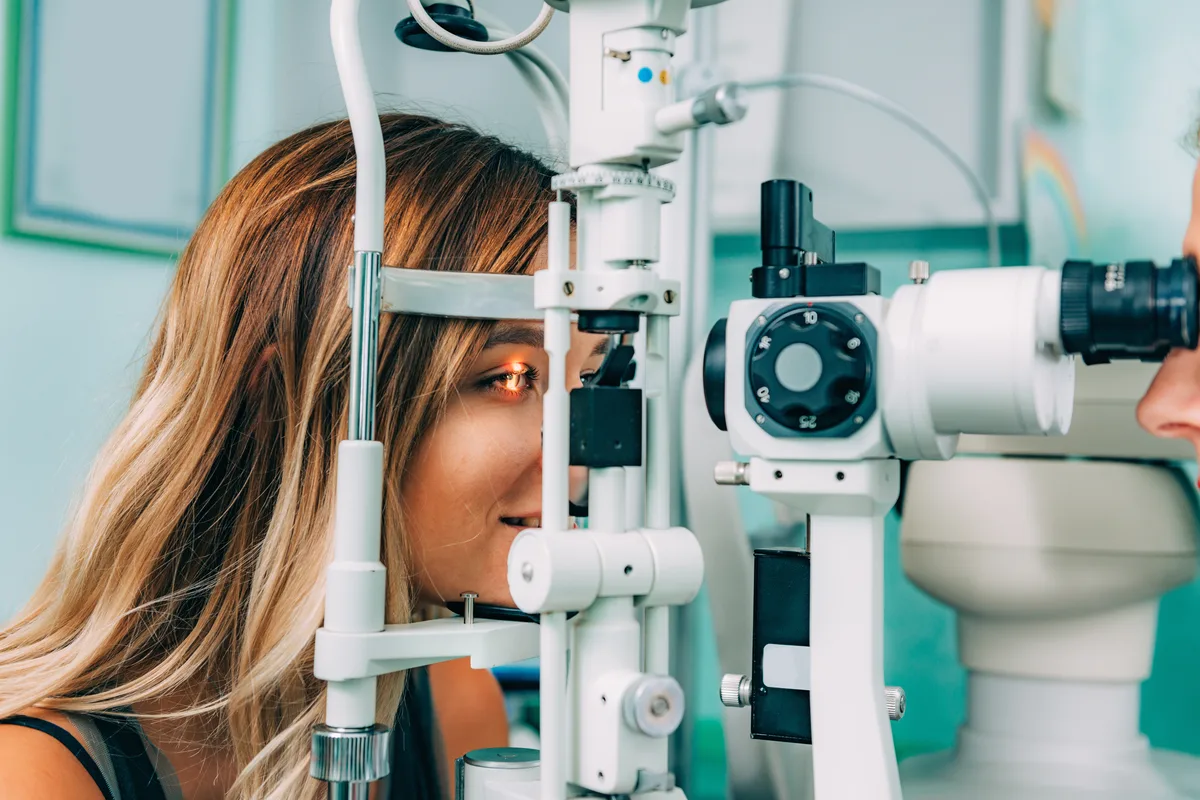
Every August and September, families in Westchester and the neighborhoods around it — Playa del Rey, Playa Vista, Ladera Heights, and the LMU area — scramble through the familiar back-to-school checklist. Supplies, shoes, physicals, forms. One item that rarely makes the list, yet arguably matters more than most, is a comprehensive eye exam.
The reason is simple: the vast majority of classroom learning is visual. A child spends the school day shifting focus from the board to a book to a screen, tracking lines of text, and processing what they see. When any part of that visual system is not working well, the child struggles — and because kids rarely know their vision is different from anyone else's, they seldom say so. Instead, the problem shows up as trouble concentrating, avoiding reading, or falling behind.
At Westchester Vision Care in the Westchester neighborhood of Los Angeles, Dr. Jennifer Tabiza sees patients age 10 and older; for younger children, the guidance here is meant to help parents understand why a proper eye exam belongs on the back-to-school list. Whichever local school your child attends, clear and comfortable vision is a foundation for the whole year.
Why a School Screening Is Not Enough
Many parents assume that if their child passed the vision screening at school or the pediatrician's office, their eyes are fine. Screenings are useful, but they are designed only to flag the most obvious problems — typically whether a child can read the chart at a distance. They are not a substitute for a full exam.
A screening can easily miss a child who sees well with one eye while the other lags, or a child whose distance vision is fine but who cannot focus comfortably up close or coordinate the two eyes for reading. It can also miss subtle prescription differences and early signs of eye health issues. A child can sail through a screening and still be struggling every day in class.
A comprehensive exam, by contrast, tests each eye independently, evaluates how the eyes work together, checks focusing and tracking, and assesses overall eye health. It is the only reliable way to be sure a child's visual system is truly ready for the demands of school.
Signs a Child May Have a Vision Problem
Because children so rarely report vision trouble directly, parents and teachers have to watch for behavior instead. The clues often look like anything but an eye problem:
• Sitting very close to the television or holding books and devices unusually near the face.
• Skipping lines, rereading, or using a finger to keep their place while reading.
• Short attention span for homework, or complaints of headaches and tired eyes afterward.
• Squinting, excessive blinking, or rubbing the eyes frequently.
• Covering or closing one eye to see or read.
• Avoiding reading and near work altogether, or falling behind despite clear ability.
Any one of these can have many explanations, but together they justify a comprehensive exam. Problems labeled as attention or learning difficulties sometimes turn out to be, at least in part, a treatable vision issue.
Myopia in Children: A Growing Concern
One of the most important reasons for regular childhood exams is myopia, or nearsightedness, which causes distant objects such as the classroom board to appear blurry. Myopia typically develops and worsens during the school-age and teenage years as the eyes grow, and it is becoming more common in children worldwide.
This matters beyond needing stronger glasses each year. As myopia progresses, the eye grows longer, and higher degrees of nearsightedness are associated with greater long-term risks to eye health in adulthood. That understanding has given rise to myopia management — a proactive approach aimed at slowing how quickly a child's nearsightedness advances, rather than simply updating the prescription annually.
Because most myopic progression happens during the growing years, childhood is the window when intervention makes the biggest difference. Catching it early through regular exams opens the door to strategies that can help protect a child's vision for decades to come.
Screens, Sunlight, and Healthy Vision Habits
Modern childhood involves a great deal of near work — homework, reading, and hours of screen time — and reduced time outdoors, both of which are commonly discussed as contributors to worsening myopia. While genetics play a strong role, especially when one or both parents are nearsighted, daily habits matter too.
Encouraging regular breaks from screens using the 20-20-20 rule, limiting recreational screen time, and prioritizing outdoor play in natural daylight are all sensible habits for growing eyes. Time outside, in particular, is frequently associated with healthier visual development. For families in Westchester and along the coast, the abundant Southern California sunshine makes outdoor time an easy prescription to fill — just remember children's eyes benefit from UV protection outdoors as well.
None of these habits replace an exam, but together with regular care they support a child's vision through the demanding school years.
Timing the Exam Around the School Calendar
The ideal time for a back-to-school eye exam is late summer, before classes begin, so that any needed glasses or treatment are in place from day one rather than discovered after a child has already fallen behind. That said, an exam is worthwhile at any point in the year if you notice the signs described above.
Children should have a comprehensive exam every year, not only when a problem is suspected, because vision changes quickly during growth and small issues are easiest to address early. For local families, scheduling around the school calendar and keeping the appointment close to home in the Westchester area makes it far more likely the exam actually happens each year.
Start the School Year With Clear Vision
Giving your child clear, comfortable vision is one of the most impactful things you can do for their success in school. A comprehensive exam catches what screenings miss and, when needed, opens the door to myopia management that protects long-term eye health.
Dr. Jennifer Tabiza sees patients age 10 and older at Westchester Vision Care in the Westchester neighborhood of Los Angeles, CA 90045, serving families across Playa Vista, Playa del Rey, Ladera Heights, and the LMU area. To schedule a back-to-school eye exam, call (310) 670-1888 or book online today.
See an eye doctor in Westchester, Los Angeles
We welcome patients from Playa Vista, Marina del Rey, Playa del Rey, El Segundo and the surrounding 90045 neighborhoods.
8610 S Sepulveda Blvd #100, Los Angeles, CA 90045 · (310) 670-1888
Book a ConsultationThis article provides general education, not a diagnosis or individualized medical advice. Please see an eye care professional about your specific symptoms.